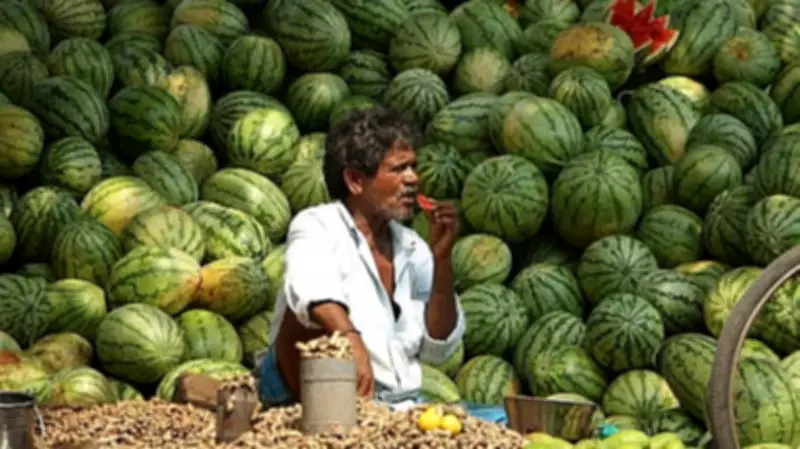
As temperatures soar across India, heat action plans (HAPs) are being implemented in several cities. However, these plans frequently fail to protect the most vulnerable group: informal workers. A recent analysis highlights critical gaps in policy design and enforcement.
The Scale of the Problem
India has over 400 million informal workers, comprising 90% of the workforce. They include construction laborers, street vendors, domestic helps, and gig workers. These individuals often toil under the sun for long hours with little access to shade, water, or rest. Heatwaves, which are becoming more frequent and intense due to climate change, pose a severe health risk.
Why Heat Action Plans Fall Short
Current HAPs focus on issuing warnings, opening cooling centers, and adjusting school hours. But they rarely address the specific needs of informal workers. Key shortcomings include:

- Lack of targeted communication: Warnings are often disseminated through apps and news channels, which many informal workers cannot access.
- Inadequate infrastructure: Cooling centers are few and far between, and often located in areas inaccessible to workers in remote construction sites or busy markets.
- No income protection: When temperatures are extreme, workers face a dilemma: work and risk heatstroke, or stay home and lose a day's wages. HAPs do not provide compensation or alternative arrangements.
- Weak enforcement: Even when laws mandate rest breaks or shade, compliance is poor, and workers are hesitant to demand their rights for fear of retaliation.
The Way Forward
To make HAPs inclusive, experts recommend several measures. First, risk communication must use local languages and channels like community radio or word-of-mouth. Second, workplace regulations should be enforced, with penalties for violations. Third, social protection mechanisms like paid heat leave or emergency funds can help workers avoid the choice between health and livelihood. Finally, urban planning must incorporate green spaces and water points in areas where informal workers congregate.
Without these changes, India's heat action plans will continue to leave millions unprotected in a warming world.