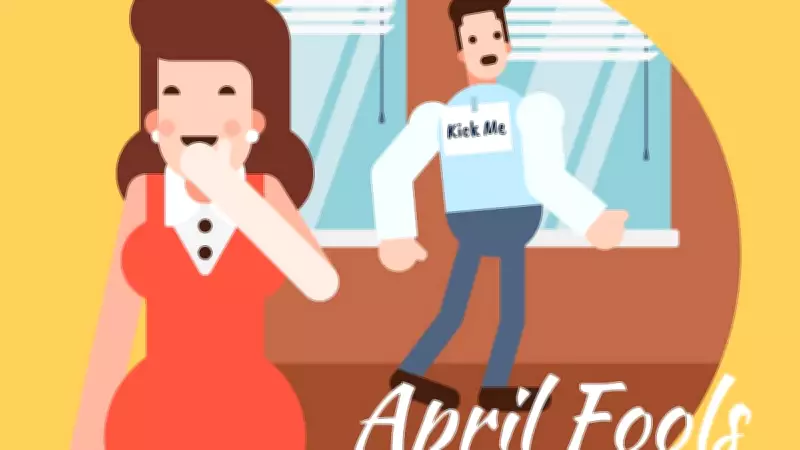
The End of an Era: How April Fools' Day Pranks Lost Their Charm
April Fools' Day, once a beloved tradition of harmless jokes and elaborate hoaxes, is facing a significant decline in the modern world. The glory days of whimsical gags, epitomized by the famous 1957 BBC spaghetti harvest prank, are largely over, replaced by a landscape where misinformation and digital skepticism reign supreme.
The Golden Age of April Fools' Pranks
In the mid-20th century, April Fools' Day was a time for media outlets and individuals to engage in creative and lighthearted deception. The 1957 BBC broadcast, which featured a fake report about Swiss farmers harvesting spaghetti from trees, stands as a classic example. This prank, aired on the serious program "Panorama," fooled many viewers who were unfamiliar with pasta production, showcasing the innocent fun of the era.
Other notable hoaxes included the 1962 Swedish television announcement that black-and-white TVs could be converted to color by placing nylon stockings over the screen, and the 1976 BBC report on the fictional "jumping penguins" of the Antarctic. These gags relied on public trust in authoritative sources and a general lack of instant verification tools.

The Rise of Fake News and Digital Skepticism
Today, the context has dramatically shifted. The proliferation of fake news, especially through social media and online platforms, has blurred the lines between humorous pranks and malicious misinformation. In an age where false stories can spread rapidly and have real-world consequences, such as influencing elections or inciting violence, the appetite for April Fools' jokes has waned.
Media organizations now exercise caution, fearing that pranks might be mistaken for genuine news and erode their credibility. The public, too, has become more skeptical, with fact-checking tools and digital literacy enabling quick debunking of false claims. This environment makes it challenging for April Fools' gags to achieve the same widespread believability and enjoyment as in the past.
Impact on Media and Public Trust
The decline of April Fools' pranks reflects broader issues in media and society. Key factors include:
- Erosion of Trust: With trust in media at a low point in many countries, outlets avoid risks that could further damage their reputation.
- Global Connectivity: In a connected world, pranks can quickly go viral and be misinterpreted across cultures, leading to unintended backlash.
- Seriousness of Current Events: Amid crises like pandemics, climate change, and political conflicts, the tone for humor has shifted, with many preferring authenticity over jest.
While some companies and individuals still attempt April Fools' jokes, they often face criticism or are ignored in a crowded digital space. The tradition persists in niche forms, but its mainstream appeal has diminished significantly.
Looking Ahead: The Future of April Fools' Day
As we move forward, April Fools' Day may evolve into a more subdued or reflective occasion. Experts suggest that in a post-truth era, the focus could shift toward promoting media literacy and critical thinking, rather than elaborate hoaxes. The legacy of pranks like the spaghetti harvest serves as a reminder of a simpler time, but also highlights the need for responsible communication in today's complex digital landscape.
Ultimately, the decline of April Fools' gags is not just about the end of fun—it's a symptom of larger societal changes where truth and trust are constantly under scrutiny. Understanding this shift helps us navigate the challenges of modern media and preserve the spirit of lightheartedness in appropriate ways.