A prolonged water shortage has put tanker-dependent urban forests across the NIBM–Undri belt in Pune under visible stress. Routine maintenance has been disrupted, leaving several green patches dry amid rising summer temperatures.
There is a surge in demand for water and a shrinking supply. This has affected not just households, but ecological initiatives built over the years through collective efforts of citizens and the forest department.
Impact on Watering Cycles
Bhupesh Sharma, co-founder of Anandvan Foundation, which manages six such urban forests in the area, said the unfolding crisis had directly impacted the watering cycle. "We follow a system where each plant is watered once every seven days. However, maintaining even this basic schedule has become difficult with the ongoing tanker and water shortage," he said.

He noted that some area residents, who are also volunteers helping with plantation drives and other work in the urban forests, used to donate tanker water. Even that has stopped now with the rising costs and general unavailability of tankers in the area.
"We have requested tanker providers to support us directly. They do send one or two tankers occasionally, because they also want to contribute to the good cause of providing water to the urban forests. But that is far from sufficient for the entire area," Sharma said, adding that it was a vast challenge to sustain dense plantations during peak summer.
Domestic Use Prioritized
Limited water is reserved for essential domestic use, pushing garden and landscape watering to the margins across housing societies in the locality. As a result, not only managed forests but residential green spaces are drying up, raising concerns about long-term ecological impact in a rapidly urbanizing belt.
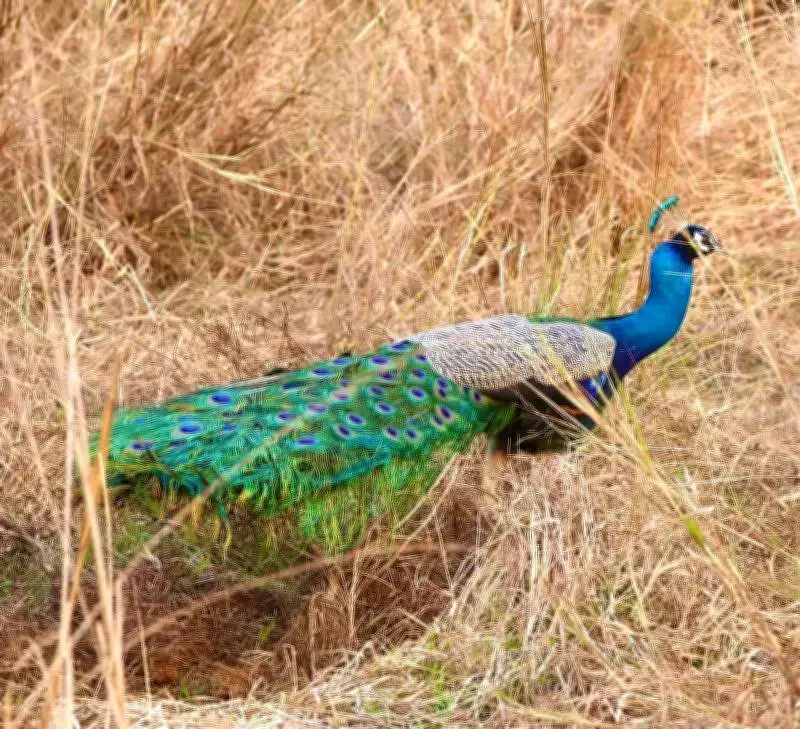
Sharma emphasized that the forests remain critical habitats for local biodiversity, which is also facing the brunt of the situation. "There are over 20 peacocks in the urban forests, along with several other birds and small animals. Protecting these spaces requires collective effort. Plantation and maintenance are community-driven. We continue to invite citizens to participate and support us in sustaining them," he said.
Forest Department Response
Chief conservator of forests, Pune forest department, Ashish Thackeray, said the issue was definitely urgent. "It is our shared responsibility to take care of urban forests that have taken considerable effort to build and sustain. We will look into water shortage issues and ensure that adequate support is provided."
Thackeray added, "Amid such high temperatures, we realize how important it is to maintain green cover to regulate microclimates, support biodiversity and provide much-needed relief to urban areas."
The coming weeks are likely to be crucial for the survival of urban biodiversity pockets, with temperatures consistently crossing 40°C and no immediate relief in sight.