

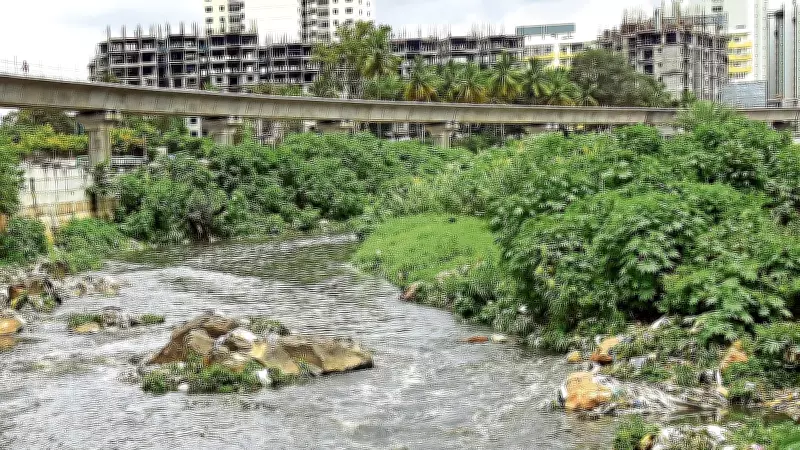
Bengaluru's Vrishabhavathi River Faces Critical Pollution Crisis, Study Reveals
A recent comprehensive study has brought to light the severe pollution levels in Bengaluru's Vrishabhavathi River, flagging significant health risks for the city's residents. The research, conducted by environmental experts, underscores the urgent need for intervention to address the deteriorating water quality and its impact on public health.
Alarming Findings on Contamination and Health Hazards
The study meticulously analyzed water samples from various points along the Vrishabhavathi River, revealing dangerously high concentrations of pollutants. Key contaminants identified include heavy metals, industrial waste, and untreated sewage, which have accumulated over years of neglect and inadequate waste management practices.
Health implications are particularly concerning, with the pollution linked to a range of ailments. Residents living near the river or using its water for daily activities are at increased risk of respiratory issues, skin infections, gastrointestinal disorders, and other chronic diseases. The study emphasizes that prolonged exposure could lead to more severe long-term health consequences, especially for vulnerable groups like children and the elderly.

Root Causes and Environmental Impact
Several factors contribute to the river's pollution crisis. Industrial discharge from nearby factories is a major source, releasing toxic chemicals directly into the water. Additionally, improper sewage disposal and lack of effective wastewater treatment systems have exacerbated the problem, turning the river into a conduit for hazardous waste.
The environmental degradation extends beyond health risks, affecting local ecosystems. The polluted water harms aquatic life, disrupts biodiversity, and contaminates soil in surrounding areas, posing a threat to agriculture and groundwater sources. This has raised alarms among environmentalists and community advocates calling for immediate action.
Calls for Action and Remedial Measures
In response to the study's findings, experts and activists are urging authorities to implement robust measures to clean up the Vrishabhavathi River. Recommendations include:
- Enforcing stricter regulations on industrial waste disposal to prevent further contamination.
- Upgrading sewage treatment infrastructure to ensure proper management of wastewater.
- Launching public awareness campaigns to educate residents about the health risks and promote safe water usage practices.
- Conducting regular monitoring and assessment of water quality to track progress and identify emerging issues.
The study serves as a wake-up call for Bengaluru, highlighting the interconnectedness of environmental health and public well-being. Addressing the pollution in the Vrishabhavathi River is crucial not only for safeguarding residents' health but also for preserving the city's natural resources for future generations.






