A recent study conducted by researchers from Andhra University College of Engineering and IIIT Kottayam has revealed that Visakhapatnam is grappling with two major climate-related challenges: rising temperatures in industrial areas and increasingly unpredictable rainfall across the city. The study utilized 30 years of weather data from 1990 to 2019 and employed a SARIMA-GIS model to forecast climate trends up to 2028.
Key Findings on Temperature Rise
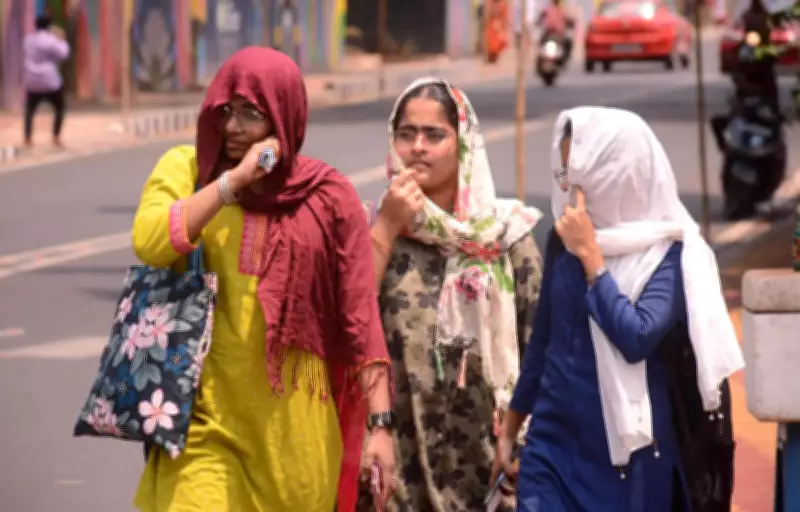
The research identified Gajuwaka, the steel plant area, and the airport region as major climate hotspots. These areas are expected to experience heightened temperatures and heat retention due to dense construction, industrial activity, and shrinking green cover. In contrast, rural areas such as Padmanabham were found to be relatively cooler. The study indicates that both maximum and minimum temperatures in the city are steadily rising. Summer temperatures are projected to reach between 35.6°C and 37°C in the coming years, compared to the current peak summer range of 34°C to 36°C.
Night-Time Warming and Urban Heat Island Effect
Researchers expressed concern over rising night-time temperatures, which are expected to reach 27.1°C to 28.1°C. This means the city may not cool down adequately after sunset, particularly in densely built-up areas. This phenomenon, known as the urban heat island effect, occurs when concrete structures and roads retain heat for longer periods, exacerbating discomfort and health risks.

Erratic Rainfall Patterns and Flood Risks
The study also warned about erratic rainfall patterns between 2019 and 2028. According to projections, the city may experience alternating periods of excess rainfall and below-normal rain, increasing the likelihood of both water shortages and flash floods. The highest rainfall is expected during the 2027 monsoon season, with monthly rainfall projected between 135 mm and 158 mm. Researchers cautioned that sudden and intense rainfall could severely affect poorly drained urban areas, heightening the risk of waterlogging. They emphasized the need for improved local stormwater management systems in vulnerable parts of the city.
Humidity and Heat Stress
While humidity levels are expected to remain mostly stable between 74% and 78% by 2028, the combination of high humidity and rising temperatures could make conditions more uncomfortable, especially in industrial zones. The study noted that this could increase heat stress for workers and residents in these areas.
Research Methodology and Authors
The research was conducted by Anju Yajjala, Rajeswari Erasala, Murali Krishna Gurram, and Siva Parvati Injam from Andhra University College of Engineering and IIIT Kottayam. The study was published in the journal Discover Hazards. The findings underscore that climate change is already affecting the city at the local level. Over the last three decades, the expansion of concrete structures, industries, and built-up areas has reduced greenery and increased heat retention, while also making the city more vulnerable to sudden heavy rainfall.