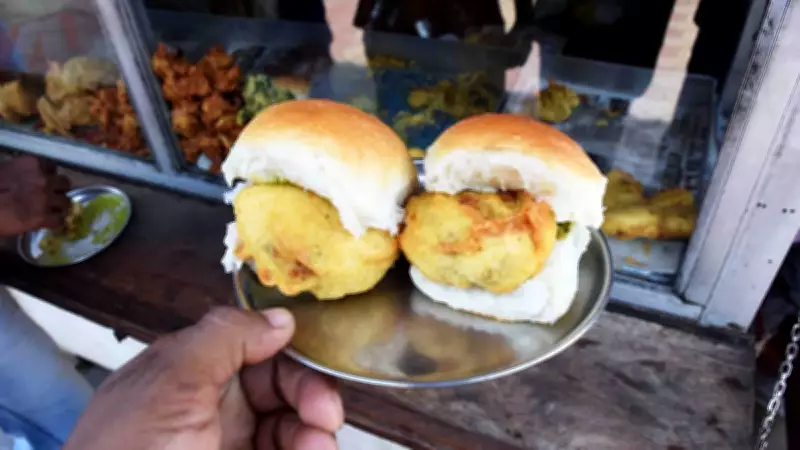
Vada Pav Prices Soar as West Asia Conflict Disrupts Supply Chains
The humble vada pav, a beloved street food and essential meal for millions in Mumbai, has unexpectedly become entangled in the escalating tensions of the West Asia conflict. This development is sending shockwaves through the city's bustling streets, where the snack is a dietary cornerstone for laborers, drivers, and daily wage earners.
Impact on Mumbai's Working Class
In Mumbai, India's financial hub, and across the broader Mumbai Metropolitan Region, vada pav serves as a critical source of sustenance for a vast segment of the population. Laborers, construction workers, taxi drivers, and other low-income groups depend on its affordability and accessibility to fuel their long workdays. The recent price hikes, driven by supply chain disruptions linked to the West Asia conflict, are placing an undue burden on these individuals, threatening their food security and economic stability.
Root Causes of the Price Surge
The conflict in West Asia has led to significant disruptions in global trade routes and commodity markets. Key ingredients for vada pav, such as potatoes, spices, and cooking oil, have seen their costs rise due to increased transportation expenses and market volatility. Local vendors in Mumbai are struggling to absorb these additional costs, forcing them to pass them on to consumers. This situation highlights how international geopolitical events can have direct, tangible effects on everyday life in distant regions.

- Potato prices have increased by 15-20% due to supply chain bottlenecks.
- Spices and oil imports from affected regions are facing delays and higher tariffs.
- Vendors report a 10-15% rise in overall production costs, impacting profit margins.
Broader Implications for Food Security
Beyond the immediate financial strain, the rising cost of vada pav raises concerns about food security among Mumbai's most vulnerable populations. As a staple that provides essential calories and nutrition at a low price, any increase in its cost can lead to reduced consumption or substitution with less nutritious options. This trend could exacerbate health issues and economic disparities in the region.
- Daily wage earners may cut back on meals to save money.
- Children in low-income families might face nutritional deficiencies.
- Local economies could suffer as disposable income decreases.
In summary, the West Asia conflict is not just a distant geopolitical issue but has real-world repercussions for Mumbai's food culture and working class. The vada pav, once a symbol of affordable sustenance, is now at the center of a broader discussion on global interconnectedness and local resilience.