Alarmed by a sharp and unusual rise in deadly encounters with wild animals, two Members of Parliament from Uttarakhand have urgently called for central government intervention. The issue of escalating human-wildlife conflict, particularly involving leopards and black bears, was raised in both houses of Parliament, highlighting a growing crisis in the Himalayan state.
Parliamentary Alarm Over Unprecedented Attacks
In the Lok Sabha, Garhwal MP Anil Baluni brought the matter to the attention of the Minister of Environment, Forests, and Climate Change, Bhupendra Yadav. Baluni stressed that the recent spate of attacks over the last three weeks is unprecedented for this time of year. "Over the last three weeks, four people have been killed in leopard attacks, and there has been a spurt in these attacks, with 15 having been injured. Bear attacks have also risen. In this season, these attacks would never happen," he stated.
Echoing these concerns in the Rajya Sabha, state BJP head and MP Mahendra Bhatt provided stark statistics. He revealed that five people have died in bear attacks in Uttarakhand this year. Placing the current crisis in a broader context, Bhatt informed the House that since the state's formation, 1,264 people have died and 6,519 have been injured in conflicts with wildlife, with leopard attacks causing the highest number of fatalities.

A Region Gripped by Fear and Curfew-Like Conditions
The MPs painted a grim picture of the terror prevailing in the Garhwal region, which both leaders represent. Baluni described a profound psychological impact on daily life, stating that parents have stopped sending their children outdoors due to the fear of attacks. "When dusk falls, a curfew-like situation is in place as a result," he told Parliament, underscoring how the threat has paralyzed normal activities after sunset.
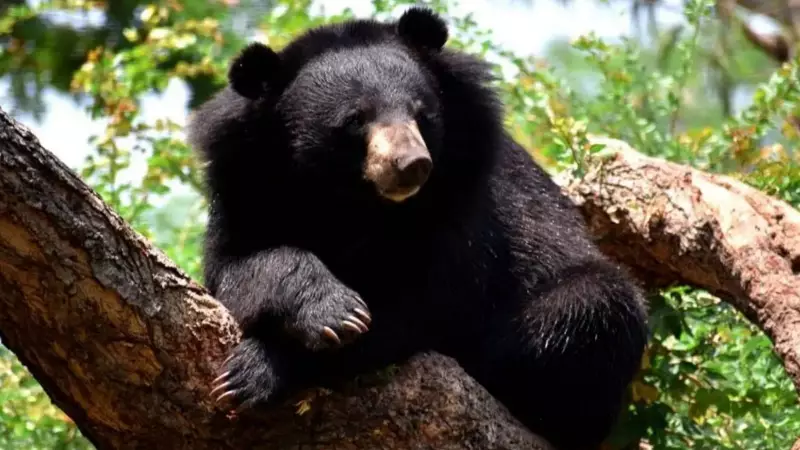
The forest department is deeply concerned, especially by the aggressive behaviour of black bears. Officials have linked this behavioural shift to a combination of ecological pressures:
- Climate change altering natural habitats and food cycles.
- Reduced availability of natural food in forests.
- Improper waste management near human settlements attracting animals.
- Habitat disturbance due to human encroachment and development.
Uttarakhand's Chief Wildlife Warden, Ranjan Kumar Mishra, confirmed that the five bear attack deaths this year mark the highest toll since 2016, which also recorded five fatalities.
Demands for Action and Enhanced Compensation
The parliamentarians have put forth specific demands for the central government to address the emergency. Anil Baluni has requested that a specialist team from the Wildlife Institute of India be dispatched to investigate the root causes of the recurring conflicts. He also emphasized the need for the Centre to support families who lose their loved ones to such attacks.
Mahendra Bhatt pushed for a special action plan and sought additional ex gratia payments for the next of kin of victims. This call comes on the heels of the Uttarakhand cabinet's decision last month to increase compensation for families affected by man-wildlife conflict from Rs 6 lakh to Rs 10 lakh.
The concerted appeal from Uttarakhand's elected representatives signals a critical juncture. It underscores the urgent need for a coordinated, scientific, and compassionate strategy to mitigate human-wildlife conflict, protect vulnerable communities, and address the underlying environmental degradation driving animals into human habitats.