

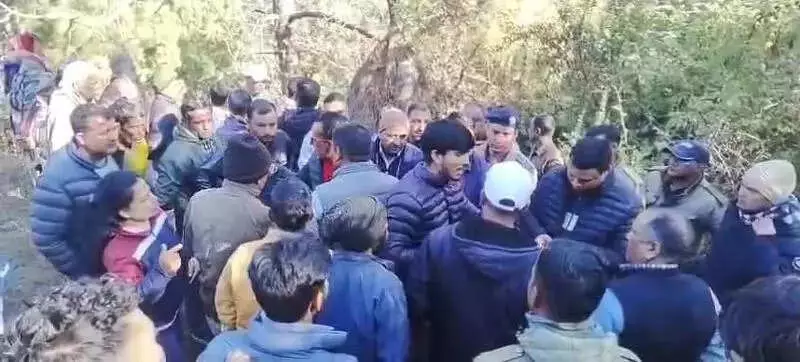
In a decisive move to address a worrying spike in dangerous encounters, the Uttarakhand forest department has ordered a significant reinforcement of its frontline staff across multiple sensitive zones. The directive, issued by Chief Conservator of Forests (HoFF) Ranjan Mishra on Friday, mandates additional deployment for one month in 11 forest divisions grappling with rising incidents of human-wildlife conflict, primarily involving bears and leopards.
Strategic Deployment and Funding from CAMPA
The order was finalized during a high-level review meeting of the forest department. To operationalize this plan, funds from the Compensatory Afforestation Fund Management and Planning Authority (CAMPA) have been swiftly allocated. The deployment strategy is precise and division-specific.
Fifteen additional personnel each will be stationed in the Garhwal, Narendra Nagar, Rudraprayag, Uttarkashi, and Badrinath forest divisions. The Tehri division will receive 12 extra staff, while the Nanda Devi, Govind Wildlife, Pithoragarh, and Champawat divisions will get 10 each.

Beyond manpower, the CAMPA funds are also earmarked for crucial equipment. "CAMPA has also allocated funds to all forest divisions to purchase necessary equipment such as fox lights, bush cutters, solar lights, and cages," stated HoFF Ranjan Mishra. This equipment is vital for deterring animals, managing vegetation, and conducting safe rescue operations.
Multi-Pronged Action Plan to Mitigate Conflict
The review meeting led to a comprehensive action plan extending beyond immediate patrols. Officials scrutinized existing field-level measures and charted a future strategy. A key long-term initiative involves education. Mishra directed the Conservator of Forests, Garhwal Circle, to prepare draft guidelines on precautions against wildlife—including bears, leopards, tigers, elephants, and snakes. These guidelines are intended to be incorporated into the school curriculum in collaboration with the state education department, aiming to build awareness from a young age.
For immediate governance, action-taken reports from each division must be updated daily. Divisions requiring cages or tranquilization equipment for wildlife rescue have been instructed to submit proposals without delay. On the ground, the department will prioritize repairing water holes in forest areas to ensure wildlife has access to water, potentially reducing their forays into human settlements. Regular anti-snare patrolling will also be intensified.
Community engagement forms another critical pillar. The forest department is actively urging villagers in conflict-prone areas to avoid venturing into forests to collect firewood and is promoting the use of whistles to alert wildlife and prevent surprise encounters.
Strict Directives on Compensation and Waste Management
In a move to ensure prompt relief, HoFF Ranjan Mishra directed all Divisional Forest Officers (DFOs) to release ex-gratia payments immediately and as per regulations in the unfortunate event of any injury or loss of life. Furthermore, the department is cracking down on practices that attract wildlife to human habitats.
DFOs have been told to issue notices to hotels, resorts, and eateries that dump waste in forest areas and to take strict action against violators. This step aims to eliminate easy food sources that draw animals closer to human establishments, thereby reducing conflict points.
This consolidated push by the Uttarakhand forest department underscores the urgency of managing the delicate interface between human settlements and wildlife habitats. The combination of increased patrols, modern equipment, community awareness, and strict administrative measures reflects a holistic approach to safeguarding both human lives and the state's precious wildlife.






