

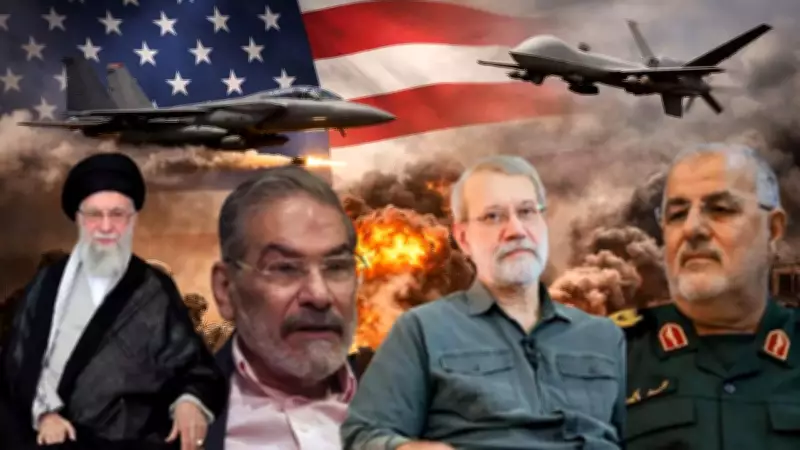
Unprecedented US-Israeli Strikes Cripple Iran's Leadership, Sparking Regional Turmoil
A coordinated series of US-Israeli military strikes, initiated on February 28, has resulted in the deaths of numerous high-ranking Iranian political and military officials, delivering a severe blow to the Islamic Republic's governance and escalating tensions across the Middle East. This assault, occurring amid delicate nuclear negotiations mediated by Oman, represents the most direct and significant attack on Iran in decades, following a prolonged shadow war and a brief conflict in June 2025.
Historic Loss: Supreme Leader Ayatollah Ali Khamenei Killed
At the heart of this upheaval is the death of Iran's Supreme Leader, Ayatollah Ali Khamenei, aged 86, who perished in a US-Israeli air strike on his Tehran compound on February 28. Khamenei, who had wielded ultimate authority since 1989, oversaw a regime defined by resistance to the United States and Israel, expanding Iran's regional influence through allied groups. His demise marks a historic rupture in Iran's political system, creating a leadership vacuum at a critical juncture.
Key Political and Military Figures Eliminated
The strikes have systematically targeted Iran's decision-making apparatus, eliminating senior officials integral to security and foreign policy. Among the casualties:

- Ali Shamkhani: A key adviser to Khamenei and influential figure in nuclear policymaking, killed on February 28 in Tehran. He had recently resumed a central role in wartime strategy after surviving an earlier attack.
- Ali Larijani: Secretary of the Supreme National Security Council, killed on March 17 in an air strike in Tehran's Pardis area. A veteran political operator, Larijani served as a bridge to Western interlocutors and shaped Iran's foreign policy.
- Mohammad Pakpour: Commander-in-chief of the Islamic Revolutionary Guard Corps, killed on February 28, having risen to lead the Guards after his predecessor's death in June.
- Aziz Nasirzadeh: Iran's defence minister and a senior air force officer, killed on February 28, known for his role in defence planning and military coordination.
- Abdolrahim Mousavi: Chief of staff of Iran's armed forces, killed during a high-level leadership meeting in Tehran on February 28, responsible for coordinating military branches.
- Gholamreza Soleimani: Commander of the Basij paramilitary force, killed on March 17, overseeing internal security and state enforcement.
Reports indicate additional senior commanders from the Revolutionary Guards, regular army, and intelligence services were killed, particularly in the initial February 28 strike targeting a gathering of top leadership. The precision and scale of these attacks suggest a concerted effort to dismantle Iran's military and political hierarchy.
Broader Implications and Regional Fallout
The removal of these figures has created a leadership vacuum, raising questions about succession, internal stability, and Iran's capacity to coordinate a response. The timing during sensitive nuclear talks has further complicated diplomacy, likely hardening positions and reducing prospects for a near-term agreement.
Regionally, the conflict has intensified volatility, with fears of wider escalation involving Iran's allied groups across the Middle East. Disruptions to shipping lanes, such as near the Strait of Hormuz, and energy infrastructure have already impacted global markets, highlighting the economic stakes of this crisis.
A Turning Point for Iran's Future
For Iran, the loss of leaders who shaped strategic doctrine for decades represents both an operational challenge and a symbolic blow. This event could redefine the country's political trajectory and its approach to domestic governance and international engagement. As the situation evolves, attention will focus on Iran's leadership restructuring and whether it chooses retaliation or recalibration in response to this unprecedented challenge.






