

US-Iran Military Conflict Escalates, Threatening Global Internet Infrastructure
The ongoing military confrontation between the United States and Iran has now entered its third consecutive week, with growing international concerns that the conflict's impact may extend far beyond conventional warfare involving missiles, oil facilities, and military installations. A significant digital dimension has emerged, highlighting vulnerabilities in the world's critical internet infrastructure that serves billions of users globally.
Meta Halts Major Undersea Cable Project Amid Regional Instability
The most immediate indication that the conflict is spreading into digital infrastructure occurred last week when Meta, the parent company of Facebook, confirmed to Bloomberg News that it has temporarily suspended a crucial segment of its ambitious 2Africa project. This massive undertaking involves constructing a 45,000-kilometer underwater cable system designed to significantly expand internet connectivity across Africa and the Gulf region.
The paused section affects landing stations in multiple countries currently within or adjacent to the active conflict zone, including Oman, the United Arab Emirates, Qatar, Bahrain, Kuwait, Iraq, Pakistan, and Saudi Arabia. Meta had originally planned to launch this critical infrastructure segment as early as this year, but security concerns have forced a strategic delay.

Furthermore, Alcatel Submarine Networks, the French state-owned company responsible for laying the cable, has issued force majeure notices to its customers, citing extraordinary circumstances beyond its control. According to Bloomberg reports, the company's installation vessel, the Ile De Batz, has been stranded off the coast of Dammam in Saudi Arabia, further complicating operations.
The World's Internet Lifelines Run Through Conflict Waters
Beneath the surface of the Red Sea and Persian Gulf, hundreds of fiber optic cables on the ocean floor form the backbone of global digital connectivity, carrying more than 95% of all international internet traffic. This infrastructure supports everything from personal communications like emails and video calls to critical services including cloud computing, financial transactions, and streaming media.
According to data from Capacity Global, at least seventeen submarine cables traverse the Red Sea alone, creating a vital data corridor that connects Europe, Asia, and Africa. The Strait of Hormuz represents another crucial choke point, with key cable systems such as AAE-1, FALCON, Gulf Bridge International Cable System, and Tata TGN Gulf all passing through this strategically important region, as documented by TeleGeography.
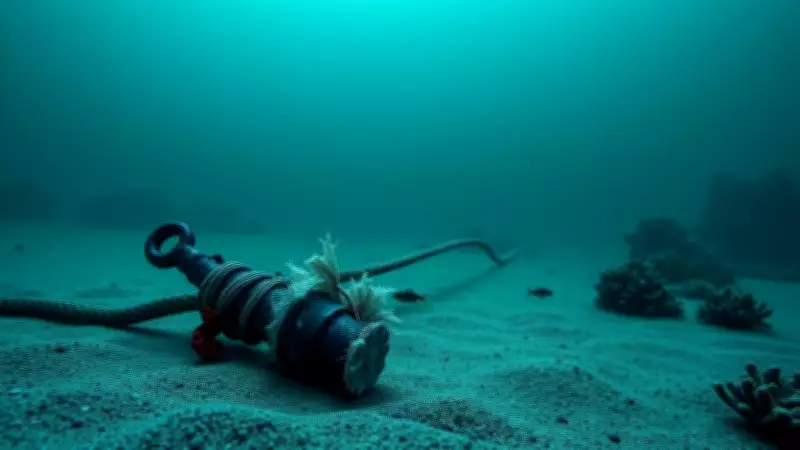
These underwater cables connect major data centers established in the Gulf region by technology giants including Amazon, Microsoft, and Google to billions of users worldwide. The vulnerability of this infrastructure cannot be overstated – these cables are relatively easy to damage through various means including naval mines, dragging ship anchors, or direct military action.
Historical Precedents and Current Threats
Iran has already deployed sea mines in the Strait of Hormuz, effectively shutting down shipping traffic through this critical waterway. This military tactic raises serious concerns about potential damage to undersea internet cables that pass through the same region.
A recent incident in the Red Sea demonstrates how easily such infrastructure can be compromised. Last year, a commercial ship reportedly dragged its anchor and severed several undersea internet cables, causing significant disruptions to internet services across India, Pakistan, and multiple Middle Eastern countries. The Red Sea presents particular vulnerabilities as cables often lie in relatively shallow waters, making them more susceptible to damage from dragging anchors or other maritime activities.
The current military conflict amplifies these risks exponentially, with the potential for deliberate or accidental damage to these critical digital arteries that could disrupt global communications, commerce, and connectivity on an unprecedented scale.






