US, Iran, and Mediators Pursue 45-Day Gaza Ceasefire Proposal: Report
International mediators, including the United States and Iran, are reportedly making a significant push to implement a 45-day ceasefire in the ongoing Gaza conflict, according to recent diplomatic sources. This initiative marks a critical step in efforts to de-escalate tensions and pave the way for a more comprehensive peace agreement.
Two-Phase Plan for Conflict Resolution
The proposed ceasefire framework is structured into two distinct phases, each aimed at progressively addressing the root causes of the war. The first phase involves a 45-day ceasefire, during which all parties would halt hostilities to create a conducive environment for negotiations. This temporary truce is designed to allow humanitarian aid to flow into affected areas and reduce civilian casualties, while diplomatic talks continue toward a broader agreement.
In the second phase, the focus would shift to finalising a permanent settlement that addresses key issues such as security arrangements, territorial disputes, and long-term stability in the region. This phase would build on the progress made during the ceasefire, with mediators working to bridge differences between the involved parties, including Israel and Hamas.

Key Players and Diplomatic Efforts
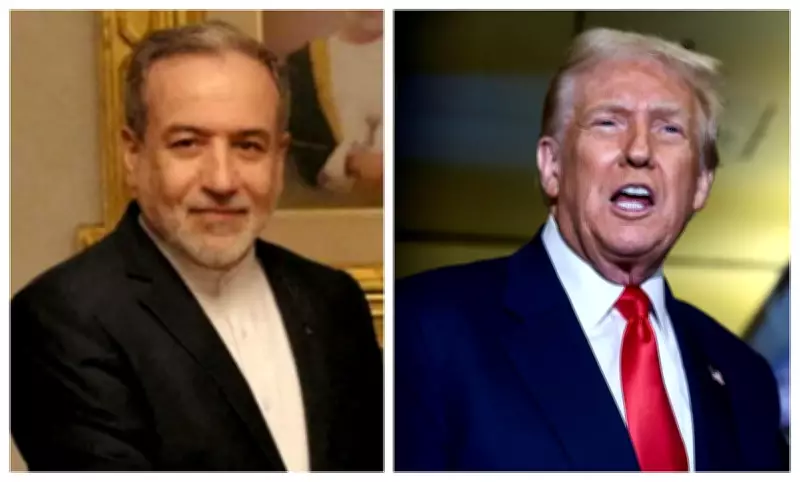
The involvement of the United States and Iran as mediators highlights the complex geopolitical dynamics at play. The US, under the administration of President Donald Trump, has been actively engaged in Middle East diplomacy, while Iran, represented by figures like Mojtaba Khamenei, has sought to influence regional outcomes. Their collaboration, alongside other international actors, underscores a rare moment of alignment in pursuit of peace.
This push comes amid heightened global concern over the humanitarian crisis in Gaza, with reports of widespread displacement and infrastructure damage. The proposed ceasefire is seen as a vital interim measure to alleviate suffering and create space for substantive dialogue.
Challenges and Prospects for Success
Despite the optimism surrounding the proposal, several challenges remain. Historical precedents of failed ceasefires in the region, coupled with deep-seated mistrust between the warring factions, could hinder implementation. Additionally, the involvement of multiple mediators with differing agendas may complicate negotiations.
However, the structured approach of the two-phase plan offers a pragmatic pathway forward. By starting with a time-bound ceasefire, it allows for incremental progress without requiring immediate consensus on all contentious issues. If successful, this initiative could serve as a model for resolving other protracted conflicts in the Middle East.
As of April 6, 2026, the details of the proposal are still being refined, with diplomats working behind the scenes to secure commitments from all sides. The international community is closely monitoring developments, hoping that this diplomatic push will lead to a lasting peace and an end to the devastating war.