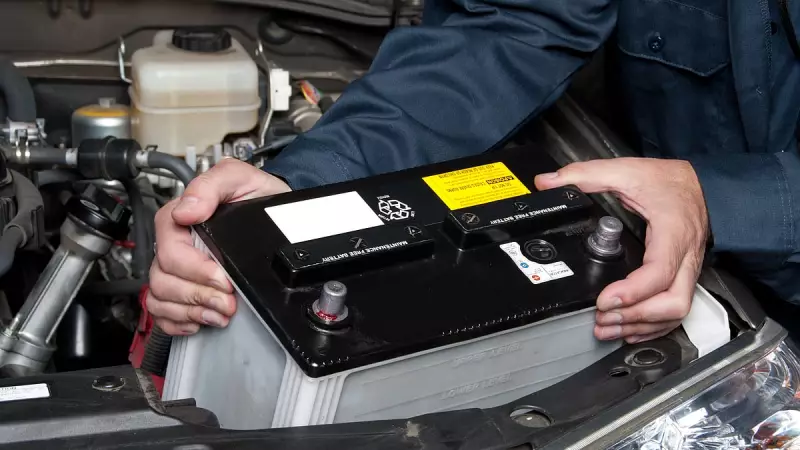
While the American automobile industry celebrates battery recycling as an environmental achievement, a dangerous reality is unfolding in Nigeria where lead recycling operations are poisoning local communities.
The Dark Side of Green Battery Recycling
The United States auto sector has long promoted battery recycling as a success story for environmental sustainability. However, this supposedly green practice has created a toxic underbelly in Nigeria, where booming lead-recycling hubs are exposing workers and residents to severe health risks.
According to the International New York Times report dated November 20, 2025, the recycling of lead from American car batteries has created hazardous conditions in Nigerian processing centers. While US companies benefit from environmentally-friendly branding, the actual recycling process has been outsourced to facilities with inadequate safety standards.

Nigeria's Poisoning Crisis
In Nigeria's recycling hubs, workers and nearby communities face constant exposure to toxic lead without proper protection. The dangerous metal enters the human body through inhalation and ingestion, causing irreversible damage to multiple organ systems.
Children are particularly vulnerable to lead poisoning, which can cause permanent neurological damage, developmental delays, and learning disabilities. Adults exposed to high lead levels risk hypertension, kidney damage, and reproductive problems.
The report highlights how the global supply chain for battery recycling creates environmental injustice, where developed nations export their hazardous waste to developing countries with weaker regulations and enforcement.
Global Implications and Responsibility
This situation raises serious questions about corporate responsibility and environmental ethics in the global recycling industry. The gap between the promoted green image of battery recycling and its actual implementation in developing nations reveals significant flaws in current sustainability practices.
International environmental organizations are calling for stricter regulations and better oversight of the global battery recycling trade. They emphasize that true environmental sustainability must include ethical considerations for all communities involved in the supply chain, not just those in developed nations.
The case of Nigeria's lead-recycling hubs serves as a stark reminder that environmental solutions in one region should not create health crises in another. As the world moves toward electric vehicles and increased battery usage, addressing these ethical challenges becomes increasingly urgent.