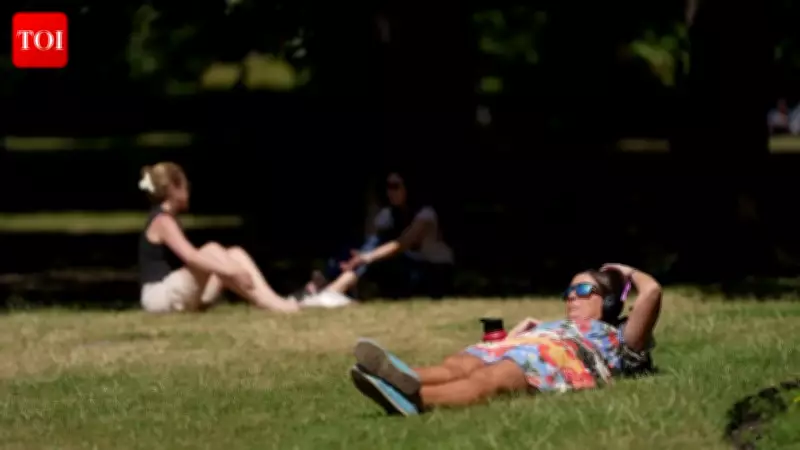
Get ready, Britain: hotter summers are not just a fluke but are rapidly becoming the norm. Coming off an unusually warm spring and a record-breaking heatwave in late May, the Met Office's signals are clear. Heatwaves are transforming into regular occurrences rather than rare surprises. This trend is another ripple in the broader wave of climate change, as rising global temperatures continually increase the odds of extreme weather.
According to the Met Office, this is not merely about a few uncomfortable afternoons. We are witnessing a long-term shift in what defines a British summer.
What Is Happening?
The data is unequivocal. The UK just experienced its warmest and sunniest year in 2025, and 2026 has started off hot. Not only was it the hottest spring ever recorded for England and Wales, but according to the BBC, it ranks as the third warmest across the UK overall.

The late-May heatwave saw some locations reach 35 degrees Celsius, a level of heat that historically did not occur until the middle of summer. This phenomenon is not isolated. The Met Office anticipates that the global hot streak will persist, with 2026 likely keeping temperatures more than 1.4 degrees Celsius above pre-industrial levels. The World Meteorological Organization also warns that El Nino is returning. When natural cycles like El Nino combine with relentless warming, the result is even more extreme weather.
Why Are UK Heatwaves Getting Worse?
Two primary forces are driving the rising temperatures. First, climate change fueled by greenhouse gas emissions means that what used to be a warm summer now falls into scorcher territory. Second, natural oscillations such as El Nino amplify the heat. When these patterns emerge on top of an already hot planet, the outcome is more intense bursts of heat.
Recent European heatwaves serve as a preview. This spring, some countries experienced summer-level temperatures months early, foreshadowing more freakish weather ahead.
What It Means at Home
Hotter weather may sound pleasant until its consequences become apparent. A series of heatwaves can quickly escalate into a health crisis, particularly for the elderly, young children, and individuals with medical conditions. Hot nights and prolonged warm spells strain hospitals, transportation networks, water supplies, and the power grid. For farmers, relentless heat and dry spells create a constant battle to protect crops and income, making it harder to sustain operations.
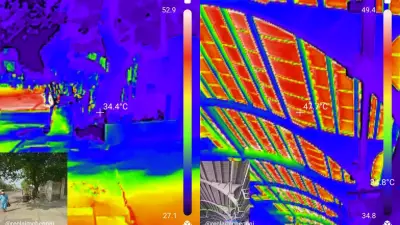
The UK also has many homes, roads, and railways built for cooler climates. When temperatures spike, these systems begin to fail because they were not designed for such intense summer conditions.
Tips to Stay Ready to Combat the Heat
We cannot simply wait for cooler weather; we must adapt. Here are practical tips:
- Keep curtains drawn during midday to block out heat.
- Boost ventilation when it is cooler outside.
- Avoid using heat-producing appliances in the afternoon.
- Drink plenty of water and skip exercise during the hottest part of the day.
- Check on vulnerable individuals, especially elderly neighbors and those living alone.
- Pay attention to weather alerts and heat-health warnings.
- In the long run, plant trees for shade, improve home insulation, and redesign urban spaces to reduce heat trapping.
What Is in Store for Tomorrow
The Met Office's core message is simple and serious: unusually hot weather is not a fluke; it is our new normal. Most of the UK's all-time hottest years have occurred in the last two decades. What would have been front-page heatwaves a generation ago are now considered standard summer weather.
Of course, not every year will break the previous record, but the overall trend is unmistakable. Unless global emissions are cut rapidly, heatwaves will continue to intensify. Both global and UK forecasts predict more extreme conditions for the rest of this decade.
Britain's new challenge is not predicting the next heatwave but learning to live with a climate that is not looking back.