

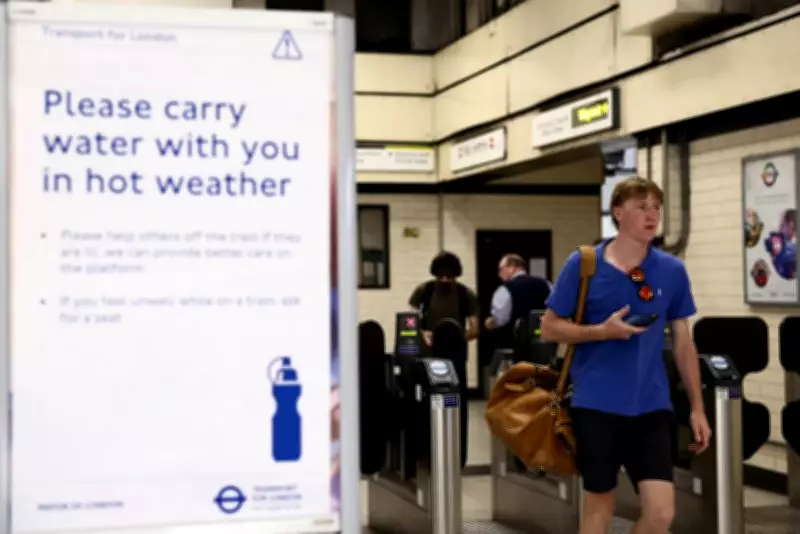
An unprecedented early summer heat wave has swept across Europe, smashing temperature records in the United Kingdom and France and causing dozens of deaths. The extreme weather event, which scientists link to climate change, has also sparked wildfires in several countries.
Record-Breaking Temperatures
France recorded its highest-ever temperature for June on Tuesday, with the mercury hitting 45.9 degrees Celsius (114.6 degrees Fahrenheit) in the southern town of Gallargues-le-Montueux. The previous record for the month was 44.3 C (111.7 F) set in 2017. The UK also saw its hottest June day on record, with temperatures reaching 38.7 C (101.7 F) at London's Heathrow Airport, beating the previous record of 38.5 C (101.3 F) set in June 2017.
Deaths and Health Concerns
The heat wave has been blamed for at least 12 deaths in France, including a 33-year-old construction worker who collapsed on the job. In Italy, a 72-year-old man died after suffering heatstroke while working in the fields. Spain reported two deaths from heat-related causes. Hospitals across the affected regions have seen a surge in patients suffering from dehydration, heat exhaustion, and other heat-related illnesses.

Wildfires and Transport Disruptions
The extreme heat has also fueled wildfires in several countries. In Spain, a wildfire near the city of Tarragona forced the evacuation of hundreds of people and destroyed thousands of hectares of land. In Germany, a wildfire on a former military training area near Berlin spread rapidly due to the dry conditions. The heat wave has also disrupted transportation, with several train services in France and the UK experiencing delays or cancellations due to the risk of tracks buckling.
Government Response and Warnings
Governments across Europe have issued health warnings and taken emergency measures. France activated its heat wave emergency plan, opening cooling centers in major cities and extending park hours to allow people to stay cool. The UK's Met Office issued its first-ever amber weather warning for extreme heat, urging people to stay out of the sun and drink plenty of water. In Germany, the German Weather Service warned of a high risk of heatstroke and other health problems.
Climate Change Link
Scientists have been quick to link the early heat wave to climate change. World Weather Attribution, an international research collaboration, found that climate change made the heat wave at least 10 times more likely. The study also noted that the heat wave is a stark reminder of the need to reduce greenhouse gas emissions and adapt to a warming world.
The heat wave is expected to continue for several more days, with temperatures remaining well above average for the time of year. Authorities are urging people to take precautions and look out for vulnerable individuals, including the elderly and those with pre-existing health conditions.






