UAE Paralyzed by Intense 'Red Alert' Fog Events: Zero Visibility Creates Chaos
If your morning commute in the United Arab Emirates felt like navigating through an impenetrable cloud this week, you were certainly not alone. The nation has been gripped by a relentless series of official "Red Alert" fog events, with visibility plummeting to near-zero conditions across major highways and numerous residential districts. This thick, enveloping blanket is far from a random occurrence; it represents a dramatic seasonal signature as the country prepares to transition from winter's chill to the warmth of spring.
Record-Breaking Foggy Mornings Disrupt Daily Life Across Emirates
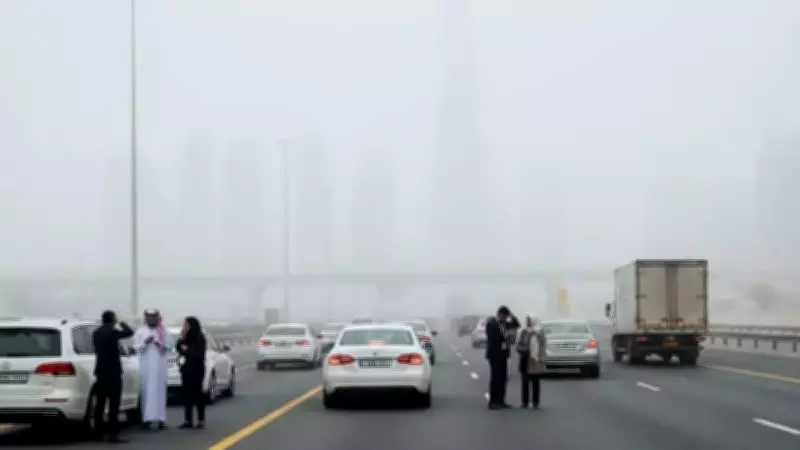
This week, residents in Dubai, Abu Dhabi, and other Emirates awoke to unusually dense and persistent fog that rendered early morning commutes exceptionally hazardous. Drivers reported conditions where familiar landmarks, buildings, and vehicles appeared to be completely swallowed by a suffocating blanket of mist, with visibility dropping to merely a few meters in the most severely affected areas.
The situation escalated to such a critical level that authorities were compelled to issue official weather warnings specifically for dangerously low horizontal visibility. On multiple consecutive mornings, these urgent alerts remained active well into the mid-morning hours, strongly urging extreme caution as the heavy mist transformed major arterial highways—including the vital E11, E311, and E611 corridors—into particularly treacherous routes for countless commuters.

Scientific Explanation: Why the UAE Experiences This Intense Seasonal Fog
The current, prolonged foggy spell is not a random meteorological anomaly. According to detailed analysis from the National Centre of Meteorology (NCM), it is the direct result of specific and predictable seasonal weather patterns typical of the late winter period in the Arabian Gulf region. A dominant and strong high-pressure system stationed over the country has effectively trapped a significant layer of moisture close to the ground surface.
As nighttime falls and temperatures consequently dip, this abundant moisture rapidly condenses into dense, low-lying fog that peaks during the early morning hours. The phenomenon is further amplified by characteristically calm wind conditions and exceptionally high humidity levels, which frequently exceed 90 percent overnight. These combined factors create an ideal environment for fog formation and persistence.
Forecasters emphasize that this atmospheric setup is especially prevalent between January and the end of February. Inland desert areas cool rapidly after sunset, while coastal regions retain higher moisture, setting the stage for a perfect convergence. The meeting of warmer, moist coastal air with the cooler, drier desert air at night makes winter and early spring mornings particularly susceptible to these intense, dense mist events.
Major Travel Disruptions and Safety Challenges for Residents
The heavy fog has done more than just create eerily obscured cityscapes; it has triggered significant and widespread travel disruptions across the Emirates. Drastically reduced visibility has forced drivers into a pattern of extremely slow and cautious travel, leading to extensive delays on major highways. In numerous instances, motorists reported spending double or triple the normal time on routes that are typically quick commutes.
Air travel has also been notably impacted. Major international hubs, including Dubai International Airport, experienced temporary delays and schedule adjustments as pilots awaited safe landing and takeoff conditions during the peak fog hours in the early morning. Airlines and airport authorities have proactively advised passengers to consistently check their flight statuses before departing for the airport.
In response, road safety and traffic officials have issued repeated, urgent appeals to all drivers. The directives emphasize the critical need to reduce speed significantly, maintain a much larger following distance between vehicles, and use low-beam headlights or fog lights appropriately. Electronic variable message signs across key routes have been dynamically updated to enforce lower, safer speed limits specifically in the fog-affected zones.

Weather Forecast: When Will the UAE Finally See Clear Skies?
Unfortunately, the pervasive foggy conditions are not expected to vanish immediately. Current weather models and projections from the NCM indicate a continued risk of morning fog or mist events, potentially lasting through February 28. Each night's high humidity levels will create a renewed opportunity for patchy to dense fog formation just before sunrise.
Looking ahead, as daytime and nighttime temperatures gradually rise moving into early March, the precise atmospheric conditions that sustain this dense fog will begin to break down. Humidity levels overnight are forecast to drop, and winds are expected to increase in intensity, making the formation of such persistent fog far less probable. By the first week of March, residents can anticipate a return to more crisp, clear mornings and steadily warming days—a definitive sign that winter's lingering influence is finally yielding to the arrival of spring.