UAE Implements Strict Entry and Transit Ban on Iranian Nationals
The United Arab Emirates (UAE) has officially barred entry and transit for Iranian nationals, a significant move amid escalating tensions in West Asia. This decision, announced on April 1, 2026, comes as airlines operating in the region have concurrently imposed travel bans, reflecting heightened security concerns and regional hostilities.
Details of the UAE's Travel Restrictions
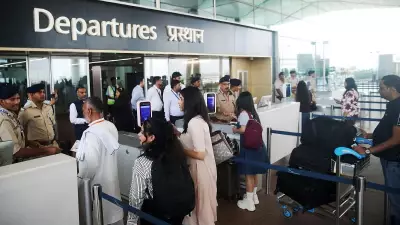
The UAE government has enforced a comprehensive ban that prohibits Iranian citizens from entering the country or using its airports for transit purposes. This measure is part of a broader response to the volatile situation in West Asia, where recent conflicts and political strains have prompted nations to reassess their security protocols. Authorities in the UAE have cited the need to safeguard national interests and maintain stability as key reasons for this abrupt policy shift.
Impact on Airlines and Travel Operations

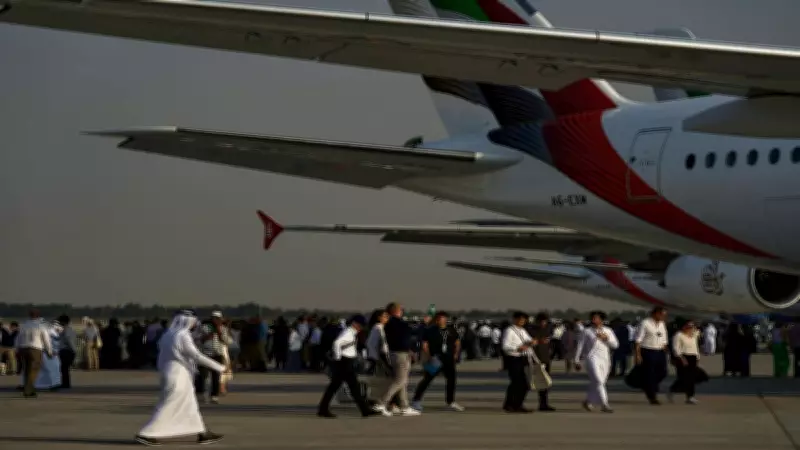
In alignment with the UAE's directive, multiple airlines have announced travel bans affecting Iranian passengers. These carriers, which include both regional and international operators, have suspended flights and services for Iranians, effectively halting air travel between Iran and the UAE. The coordinated action by airlines underscores the severity of the regional crisis and its implications for global mobility and diplomatic relations.
Context of Rising Hostilities in West Asia
The travel ban emerges against a backdrop of increasing hostilities in West Asia, a region grappling with geopolitical conflicts and security challenges. Tensions between Iran and neighboring countries, along with broader international disputes, have contributed to a climate of uncertainty. The UAE's decision is viewed as a precautionary step to mitigate potential risks associated with the influx of individuals from conflict-affected areas.
Regional and International Reactions
While official statements from the UAE government emphasize the ban as a temporary security measure, reactions from Iran and other nations are anticipated. The move could strain diplomatic ties and impact economic exchanges, given the historical trade and cultural links between the UAE and Iran. International observers are closely monitoring the situation, as it may influence travel policies and regional dynamics across West Asia.
Consequences for Iranian Nationals and Travelers
For Iranian nationals, the ban presents immediate challenges, including disrupted travel plans, family separations, and economic hardships. Those with existing visas or transit arrangements through the UAE are advised to seek alternative routes or postpone their journeys. Humanitarian considerations, such as access to medical care or family reunions, are also at stake, prompting calls for exemptions or revised guidelines from advocacy groups.
Future Outlook and Potential Resolutions
The duration and scope of the travel ban remain uncertain, with possibilities for adjustments based on evolving regional conditions. Diplomatic efforts may be initiated to address underlying tensions and facilitate a return to normalcy. In the interim, travelers and stakeholders are urged to stay informed through official channels and exercise caution when planning international movements involving the UAE and Iran.