

UAE Adjusts Emergency Alert System in Response to Resident Concerns
The National Emergency Crisis and Disaster Management Authority (NCEMA) of the United Arab Emirates made a significant announcement on March 9th regarding its national warning system. The authority revealed plans to modify the alert tone used between 10:30 PM and 9:00 AM, replacing the original shrill siren with a regular chime. This decision came directly in response to complaints from residents who reported that the loud alarm was causing significant anxiety, particularly during nighttime hours.
Resident Experiences Highlight Need for Change
As one resident explained, "The alarm was triggering at bedtime. From the kids because of the noise. From me because I was afraid of how long sleep time would take." This personal testimony underscores the psychological impact of emergency systems on civilian populations. The government's responsiveness to such feedback represents a notable approach to public safety management, where authorities considered how to "make the safety alert slightly less stressful" while maintaining its effectiveness.
Regional Context and External Perceptions
This adjustment occurs against a backdrop of regional tensions involving Israel, Iran, and other actors. Since February 28th, three distinct narratives have emerged from observers outside the UAE. First, there's gleeful commentary from international media focusing on rumors about potential attacks on landmarks like the Burj Khalifa, which responded by lighting its façade in UAE flag colors. Second, television news coverage often loops dramatic footage hours after incidents have been contained. Third, concerned friends and family abroad struggle to reconcile alarming news reports with the reality described by residents.

Daily Life Continues Amid Uncertainty
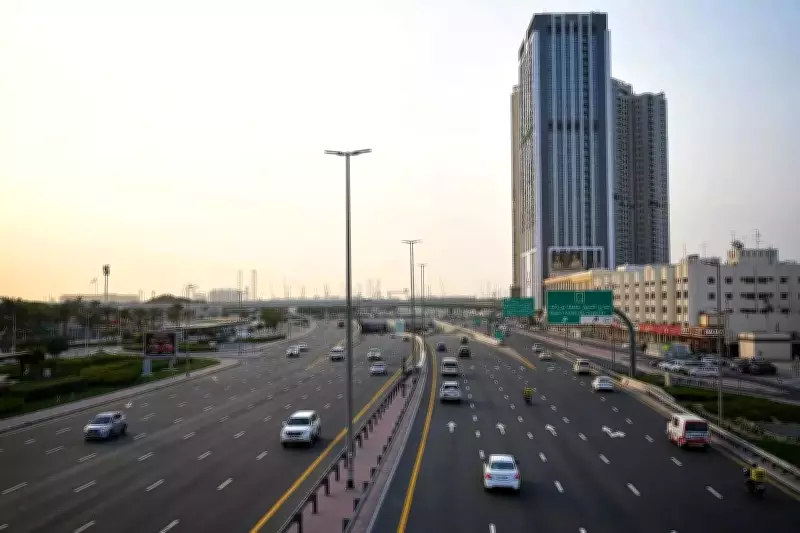
Despite regional conflicts, Dubai maintains remarkable normalcy in daily operations. Commercial aircraft continue their regular schedules, with observers noting at least two planes either descending or taking off within any 10-minute skyward glance. Delivery services function efficiently, with local provider Noon delivering essentials like water and chocolates in under 15 minutes. Supermarkets remain fully stocked without reports of hoarding, while restaurants from McDonald's to craft coffee shops continue operations.
Schools implemented a phased response, initially closing until March 4th, then extending to the 6th, before bringing forward the spring break originally scheduled for later in the month. This transition occurred "quietly, without confusion or panic," while children's activities, sports classes, and playgrounds remained accessible throughout.
Government Measures and Public Response
The UAE government has implemented several targeted measures during this period. Banks extended operating hours until midnight and waived ATM withdrawal charges of approximately 2.1 AED (about 50 rupees). While seemingly minor, such details demonstrate attention to citizens' practical needs during uncertain times. Additionally, Abu Dhabi's Department of Culture and Tourism directed hotels to extend travelers' stays with government covering the expenses.
The Ministry of Defence maintains regular communication through well-designed statements and infographics, projecting confidence and coherence. As one resident noted, "People are out for walks, they're going to the gym, and as I write this, I see a gentleman sunning himself on a rooftop pool."
Resilience in Perspective
Some observers question whether Dubai's continued functioning represents resilience or insulation from reality. However, residents point out that similar arguments could apply to major global cities like Mumbai, New York, or London during crises. The city's approach combines practical preparedness—with many families maintaining ready-to-go bags and full gas tanks—with determination to maintain normalcy.
As the resident concluded, "True, small measures don't get a city back up on its feet; it needs to do that itself. But a slightly less shrill alert, regular, specific information helps. It's the hand that dusts off your trousers." The prevailing sentiment among residents continues to be "Yalla Habibi"—an Arabic phrase best translated as "Let's go!"—reflecting both resilience and forward momentum despite regional challenges.






