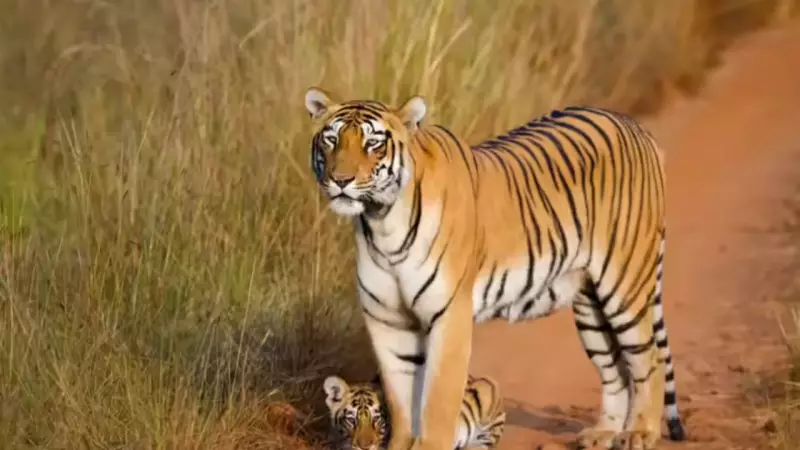
The onset of 2024 has cast a shadow of concern over wildlife authorities and conservationists in Madhya Pradesh. The state's renowned Bandhavgarh Tiger Reserve, located in Umaria district, has witnessed a distressing start to the year with the loss of two big cats and a missing cub.
A Grim Discovery in the Buffer Zone
In a deeply worrying incident, the carcass of an adult tiger was discovered on Thursday. The body was found inside a well situated near the Dhamokhar buffer range of the expansive reserve. This discovery marks the second tiger death reported from the reserve within the first nine days of January, compounding the anxiety among forest officials.
Recovery Efforts and Investigation Plans
Anupam Sahay, the Field Director of Bandhavgarh Tiger Reserve, confirmed the challenging circumstances of the recovery. He stated that the well would need to be drained to retrieve the tiger's body, an operation scheduled for Saturday. Following the recovery, a detailed postmortem examination will be conducted to determine the precise cause of death. This procedure is standard protocol to ascertain whether the death resulted from natural causes, disease, or human-related factors.

A Cub Goes Missing Amidst Tragedies
Adding to the grim situation, officials reported that a tiger cub has been missing from the reserve for the past four days. The disappearance of a young tiger raises separate alarms about predation, accidental separation from the mother, or other potential threats within the reserve's territory. Forest department teams are likely engaged in search operations to locate the cub.
Conservation Challenges in Focus
These consecutive incidents in one of India's most famous tiger habitats highlight the persistent challenges in wildlife conservation. Bandhavgarh Tiger Reserve is a critical component of India's efforts to protect the endangered Bengal tiger. Every loss significantly impacts the local population and the genetic diversity of the species. The events of early January serve as a stark reminder of the constant vigilance required to protect these majestic animals from both natural and anthropogenic dangers, even within protected areas.