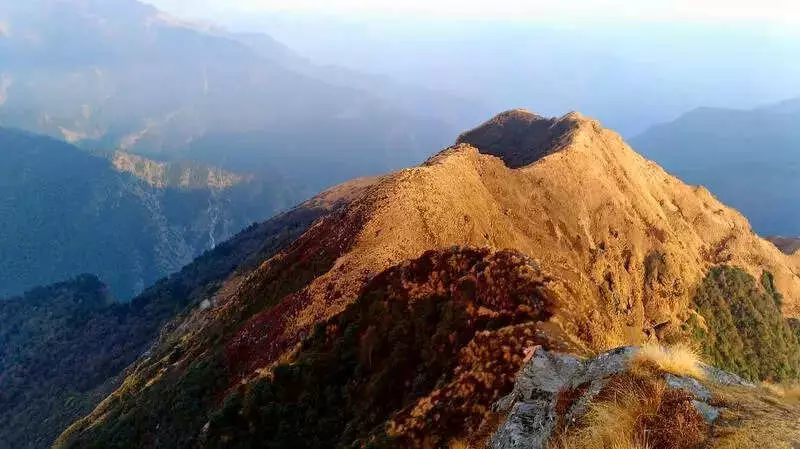
In an unprecedented climatic event, the high-altitude peaks of Tungnath in Uttarakhand's Garhwal Himalayas have remained completely devoid of snow cover throughout January this year. This marks the first such occurrence since systematic scientific observations began in the region nearly four decades ago, raising serious concerns among alpine ecologists and climate scientists.
A Stark Departure from the Norm
Scientists have confirmed that this is the first January on record where Tungnath, situated at an elevation of approximately 12,000 feet, has witnessed only frost without any snowfall. Systematic recording of snowfall patterns in this ecologically sensitive zone started only after 1985. The prolonged and severe deficit in both winter rainfall and snowfall is being termed a significant climatic anomaly, signalling a disturbing shift in the region's natural precipitation cycles.
Immediate Threat to a Fragile Ecosystem
Experts are sounding the alarm about the direct and adverse impact on the region's unique biodiversity. Padma Shri awardee scientist Aditya Narayan Purohit, founder of the High Altitude Plant Physiology Research Centre (HAPPRC) in Tungnath, emphasized the gravity of the situation. He stated that the absence of the protective winter snow layer poses a severe threat to the stability of the fragile alpine ecosystem, which is home to several rare and endemic Himalayan species.

The dry air and parched soil conditions are disrupting normal ecological functions. Senior scientific officer at HAPPRC, Sudeep Semwal, explained the critical role of snow. "Snow acts as a natural insulator for the soil, limiting heat loss and keeping it warmer. This thermal buffering is crucial for supporting root activity, plant survival, and the early growth stages of alpine flora," he noted.
Medicinal Plants at High Risk
The snow deficit is beginning to adversely affect key medicinal plant species that are vital to the alpine region and traditional medicine systems. Among the most impacted are:
- Nardostachys jatamansi (Jatamansi)
- Picrorhiza kurroa (Kutki)
- Aconitum heterophyllum (Atees)
Scientists point out that these species depend on sustained snow cover for essential processes like soil moisture regulation, breaking seed dormancy, and successful germination. The delay or failure of these processes due to lack of snow could have long-term consequences for their survival and availability.
The unprecedented snow-free condition in Tungnath serves as a clear and present warning. It underscores the tangible impacts of changing climate patterns on India's high-altitude environments, where delicate ecological balances are being upended, threatening both biodiversity and valuable medicinal resources.