Iran Faces Political Turmoil as Protests Spread Nationwide
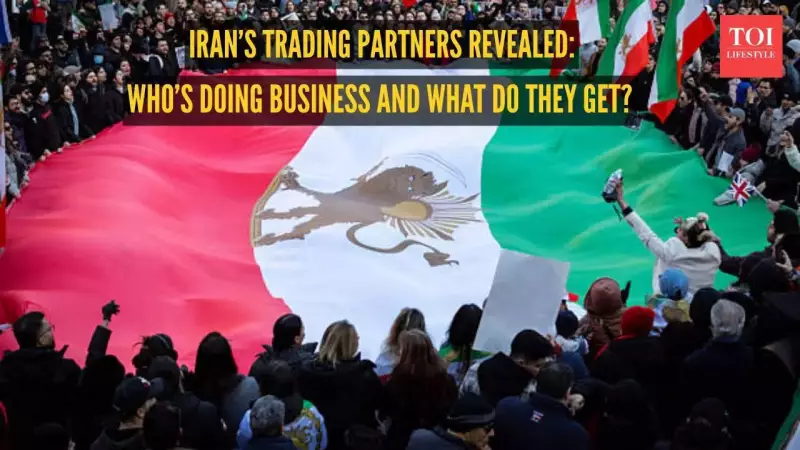
Iran is currently experiencing significant political unrest. Protests that began in Tehran on December 28, 2025, have now expanded to over 280 locations across the country. These demonstrations have resulted in the deaths of up to 600 citizens, according to reports.
US President Trump Issues Stern Warning and New Tariffs
US President Donald Trump has issued a strong warning to Iran. He stated that military action could follow if security forces continue to kill protestors. To increase pressure on Iran's struggling economy and theocratic government, Trump announced a new tariff policy on Monday.
The President declared a 25% tariff on goods from any country maintaining commercial ties with Iran. He made this announcement on his social media platform, Truth Social.

"Effective immediately, any country doing business with the Islamic Republic of Iran will pay a tariff of 25% on any and all business being done with the United States of America. This order is final and conclusive. Thank you for your attention to this matter!" Trump wrote.
Major Trade Partners of Iran Face Significant Risks
Iran trades with more than 100 countries worldwide. Several key partners now face potential economic consequences due to the new US tariff threat.
China: Iran's Largest Export Partner
China stands as Iran's biggest export partner. Chinese customs data reveals that from January to November 2025, China exported goods worth $6.23 billion to Iran while importing $2.86 billion worth of Iranian products.
Additionally, China purchases approximately 90% of Iran's oil exports. Currently, China faces a 47% tariff on US products. The new tariff threat could increase this rate to 72%, potentially reigniting trade tensions between the world's two largest economies.
India: A Major Trading Nation with Iran
India has maintained substantial trade relations with Iran in recent years. India imports various goods from Iran including:
- Dry fruits
- Inorganic and organic chemicals
- Glassware
In exchange, India exports several products to Iran:
- Rice
- Tea
- Sugar
- Pharmaceuticals
- Electrical machinery
In August 2025, Trump imposed a minimum 50% tariff on India as punishment for purchasing Russian oil. If the latest tariff threats materialize, India could face new tariffs reaching 75%.
Türkiye: Working Toward Increased Trade Volume
Iran and Türkiye have been actively strengthening their bilateral trade relations. The two nations have set an ambitious target of achieving $30 billion in trade volume.
Türkiye primarily exports the following to Iran:
- Machinery and parts
- Plastics and chemical products
- Agricultural products
- Metal ores
From Iran, Türkiye imports natural gas, metals, and agricultural goods. Currently, the US imposes an average 15% reciprocal tariff on Turkish goods. If Türkiye continues trading with Iran, this rate would increase further.
United Arab Emirates: Significant Trade Partner
Data from the United Arab Emirates' Ministry of Economy and Tourism shows that total trade volume between the UAE and Iran reached $6.62 billion in 2024.
According to WTO data, the UAE exports gold, smartphones, and corn to Iran while mainly importing hydrocarbons from the country. Like most Gulf States, the UAE currently faces a baseline 10% tariff duty under Trump's existing policies.
Iraq: Major Recipient of Iranian Goods
Iraq represents another important trade partner for Iran. Figures from Trade Data Monitor, based on statistics from the Islamic Republic of Iran Customs Administration, indicate that Iraq received goods worth $10.5 billion from Iran in 2025.
Brazil: Stable Agribusiness Relations
Iran maintains stable trading relations with Brazil, primarily focused on agribusiness. Federal data reported by CNN Brasil shows that Brazilian exports to Tehran exceeded $3 billion in 2024.
Brazil exports soybeans, corn, sugar, and other agricultural products to Iran while importing relatively little from the country.

Iran's Domestic Challenges Intensify
Iran faces multiple domestic challenges alongside these international trade pressures. The country's economy is experiencing significant disruption with consistently low rates for the Iranian rial and inflation reaching 40%.
Supreme Leader Ali Khamenei now confronts nationwide protests amid these economic difficulties. Iranian authorities have imposed a near-total internet shutdown in an attempt to isolate protestors from global communication networks.
The combination of internal unrest and external economic pressure creates a complex situation for Iran's leadership and its international trade partners.