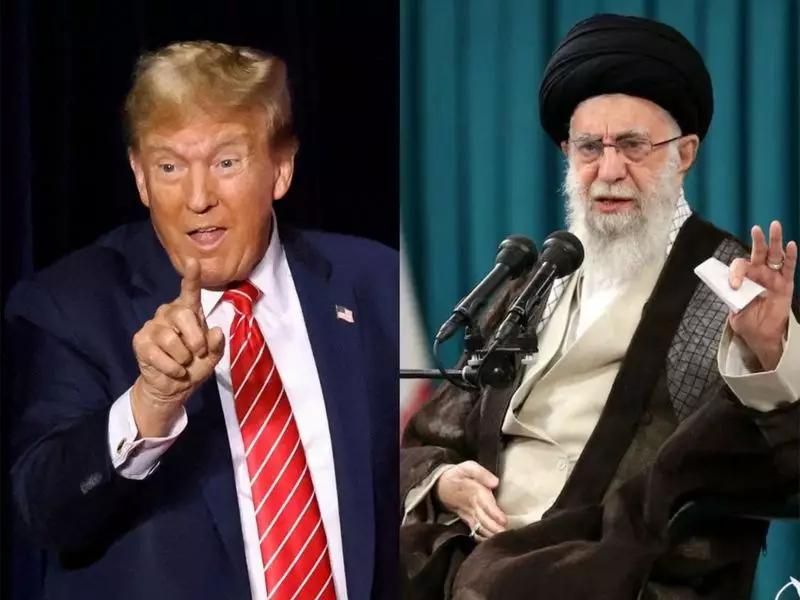
Trump Ramps Up Pressure on Iran for Nuclear Deal Amid Escalating Tensions
In a significant development in international diplomacy, former US President Donald Trump has intensified his calls for Iran to agree to a nuclear deal, marking a renewed push in the long-standing geopolitical standoff. This move comes as Tehran issues a grave warning, threatening a response "like never before" if provoked, raising fears of a potential escalation in the volatile Middle East region.
Trump's Renewed Focus on Iran's Nuclear Program
Donald Trump, known for his hardline stance on Iran during his presidency, has recently stepped up pressure on the Islamic Republic to return to negotiations over its nuclear activities. His efforts aim to curb Iran's uranium enrichment capabilities, which have been a point of contention for years. Trump's approach emphasizes stringent conditions and a firm stance, reflecting his previous policies that led to the US withdrawal from the Joint Comprehensive Plan of Action (JCPOA) in 2018.
Analysts suggest that Trump's renewed focus could be part of a broader strategy to influence current US foreign policy or to position himself ahead of potential political engagements. The former president's statements have reignited debates over the effectiveness of diplomatic versus confrontational tactics in dealing with Iran's nuclear ambitions.

Tehran's Stark Warning of Unprecedented Retaliation
In response to Trump's pressure, Iranian officials have issued a stark and ominous warning, stating that any aggressive actions would be met with a "far worse" strike than previously seen. This threat underscores Tehran's readiness to defend its interests and signals a potential shift towards more assertive posturing in the face of external pressures.
The warning from Iran highlights the deep-seated tensions between the two nations, which have been exacerbated by years of sanctions, proxy conflicts, and mutual distrust. Iranian leaders have repeatedly asserted their right to develop nuclear energy for peaceful purposes, while the US and its allies express concerns over possible military applications.
Implications for Regional and Global Security
The escalating rhetoric between Trump and Iran poses significant risks for regional stability in the Middle East. Key implications include:
- Increased Military Posturing: Both sides may ramp up military preparations, leading to a higher risk of miscalculation or accidental clashes.
- Impact on Nuclear Diplomacy: Trump's pressure could either force Iran back to the negotiating table or further harden its position, complicating ongoing diplomatic efforts.
- Global Energy Markets: Tensions in the Middle East often affect oil prices and supply chains, potentially impacting economies worldwide.
- Alliance Dynamics: Other countries, including European nations and regional powers, may be drawn into the conflict, influencing international relations.
Experts warn that without de-escalation, the situation could spiral into a broader conflict, with devastating consequences for the region and beyond. The international community is closely monitoring developments, urging restraint and dialogue to prevent an outbreak of hostilities.
Historical Context and Future Prospects
The US-Iran rivalry has deep historical roots, dating back to the 1979 Iranian Revolution and subsequent events. Trump's current actions are seen by some as a continuation of his administration's "maximum pressure" campaign, which aimed to isolate Iran economically and diplomatically. However, critics argue that such tactics have failed to achieve desired outcomes and instead fueled regional instability.
Looking ahead, the path forward remains uncertain. Potential scenarios include:

- Renewed Negotiations: If both sides show flexibility, there might be a chance for revived talks under new frameworks.
- Escalation to Conflict: Continued provocations could lead to military engagements, with unpredictable outcomes.
- Diplomatic Mediation: Third-party interventions by countries or international organizations might help bridge differences.
As the world watches, the stakes are high, with peace and security hanging in the balance. The coming months will be crucial in determining whether diplomacy can prevail over confrontation in this enduring geopolitical struggle.