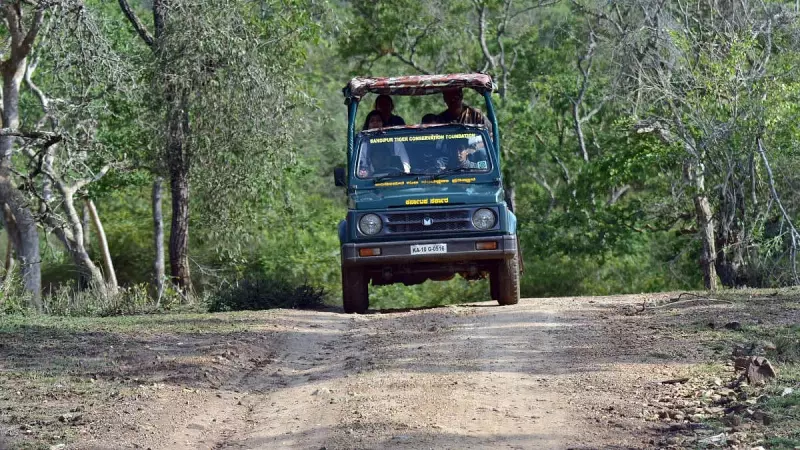
In a decisive move following a series of tragic incidents, the Karnataka State Wildlife Board has mandated a comprehensive study to evaluate the environmental and safety impacts of safari operations within the state's tiger reserves. This critical decision comes directly after the state forest department suspended all safari activities in the affected reserves.
The Trigger: A String of Tragic Attacks
The department's decision to halt the safaris was not taken lightly. It was a direct response to a distressing sequence of events where three individuals lost their lives in separate tiger attacks. Adding to the gravity of the situation, one more person sustained serious injuries during these encounters with the big cats. These incidents have raised urgent questions about the protocols, management, and long-term sustainability of wildlife tourism in these sensitive ecological zones.
Board's Directive: A Thorough Assessment
The board's order for a detailed study underscores a shift towards evidence-based policy in wildlife management. The investigation is expected to scrutinize multiple facets of safari tourism. Key areas of focus will likely include the behavioral changes in tiger populations due to frequent human presence, the stress levels on the animals, the adequacy of existing safety measures for tourists and staff, and the overall carrying capacity of the reserves.
The findings of this study will be pivotal. They will form the foundation for future regulations and operational guidelines, aiming to prevent such tragedies while exploring how tourism can coexist with core conservation objectives. The goal is to establish a model where ecological integrity and visitor safety are not competing interests but mutually reinforcing priorities.
Looking Ahead: Balancing Act for Conservation
This development highlights the ongoing challenge faced by Indian states rich in biodiversity: managing the immense public interest in seeing majestic creatures like tigers in the wild while ensuring their protection and natural behavior are not compromised. The suspension of safaris, though temporary, reflects a responsible approach, prioritizing human life and animal welfare over tourism revenue in the immediate term.
The report, once completed, will guide the Karnataka forest department on whether to resume safaris, modify their operation with stricter controls, or implement permanent changes in certain areas. The incident and the subsequent official response have sparked a broader conversation among conservationists, tour operators, and policymakers about the future of eco-tourism in India's premier tiger habitats.