

Young Tiger Found Dead in Achanakmar Reserve, Officials Cite Territorial Fight
In a distressing development for wildlife conservation in central India, a young male tiger was discovered dead inside the Achanakmar Tiger Reserve (ATR) in Chhattisgarh. This incident adds to the concerning trend of big cat fatalities that has been observed in the neighboring state of Madhya Pradesh since the beginning of the year.
Discovery and Initial Findings
Forest officials reported that the carcass was spotted on January 25 during routine patrolling in the Kuderpani area of Sarsdol, which falls under the Achanakmar range. The tiger, estimated to be about two years old, was found with injuries consistent with a violent encounter.
According to officials, the death is attributed to a territorial clash with another male tiger. The post-mortem examination, conducted the following day by a veterinary team, revealed a fractured neck bone and distinct bite marks on the lower neck. These findings strongly point to an inter-tiger fight as the cause of death.

Evidence of a Fierce Struggle
The investigation uncovered compelling field evidence that supports the theory of a territorial duel. Broken undergrowth, scratch marks, hair, and scat were all observed at the site, indicating a prolonged struggle. In a significant detail, hair believed to belong to the rival tiger was recovered from the dead tiger's claws.
An official involved in the case explained, "The signs of struggle indicated that the young tiger growled for long against the adult tiger's force." This suggests a fierce confrontation between the two big cats, likely over territory or dominance within the reserve.
Protocol and Response
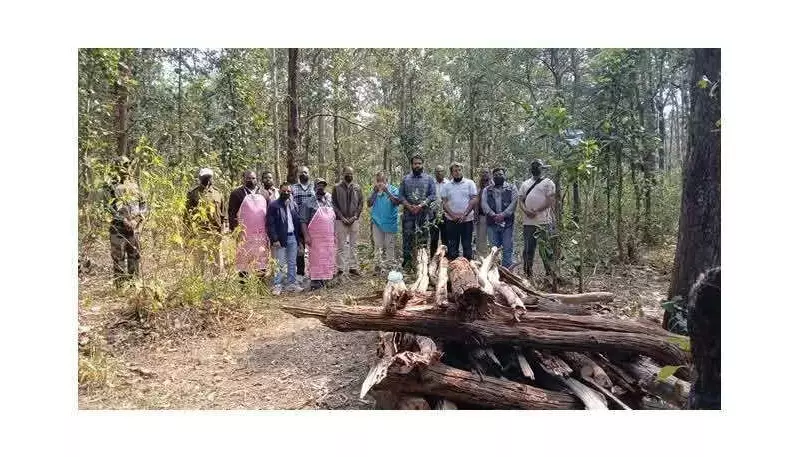
The response to the incident followed established wildlife conservation protocols. Staff secured the spot immediately upon discovery and informed senior officers. The post-mortem was conducted in the presence of a committee constituted under the National Tiger Conservation Authority (NTCA) standard protocol.
Mansoor Khan, a member of a MoEFCC committee who was present at the spot, confirmed that the carcass was cremated after the post-mortem in the presence of officials and experts. He stated, "It appears to be a clear case of territorial fight between the big cats."
Discovery Through Technology and Scrutiny
Interestingly, locals revealed that the death came to light only after camera-trap footage, installed as part of an ongoing tiger estimation exercise, prompted a search operation. This highlights the role of technology in modern wildlife monitoring.
However, the discovery has also fueled scrutiny of ATR's tiger protection force and field staff. Questions are being raised about patrol logs, camera-trap checks, and the speed of incident reporting. The department has maintained that there is no sign of poaching, noting that the tiger's teeth, nails, and other body parts were found intact.
Context and Conservation Efforts
ATR has seen a rise in tiger presence in recent years, thanks to natural dispersal through the neighboring Kanha–Bandhavgarh corridor, improved habitat conditions, and breeding success. This incident underscores the challenges of managing increasing tiger populations, where territorial disputes can lead to fatalities.
The death in Chhattisgarh mirrors similar incidents in Madhya Pradesh, raising broader concerns about big cat conservation in central India. While natural conflicts are part of wildlife dynamics, they call for enhanced monitoring and protection measures to ensure the safety of these endangered species.






