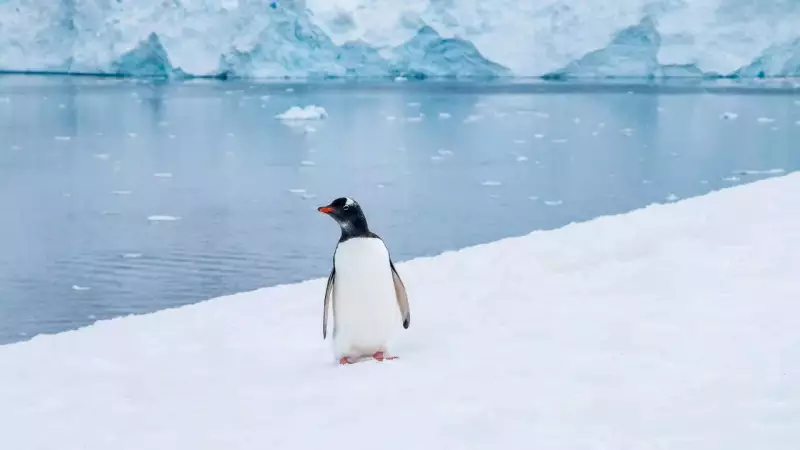
In the vast, silent expanse of Antarctica, a profound and delicate interaction often unfolds. A penguin, driven by innate curiosity and devoid of fear, waddles towards a human visitor. The instinctive human response is to reach out, to connect with this emblem of innocence in the world's harshest climate. Yet, conservationists and scientists deliver a powerful, counterintuitive message: the gentlest, most compassionate act you can perform is to do absolutely nothing.
The Fragile Trust and Its Hidden Dangers
This story transcends a simple wildlife advisory; it is a poignant lesson in restraint. The pure, unguarded trust displayed by Antarctic penguins is precisely what makes them exceptionally vulnerable. A single moment of human curiosity—one touch—can jeopardise the very adaptations that allow them to thrive in sub-zero temperatures. The region enforces some of the planet's strictest wildlife protection protocols, mandating distance and non-interference, for critical reasons rooted in science.
How Human Contact Harms Penguins
The risks posed by human interaction are multifaceted and severe, impacting penguins on physiological and behavioural levels.

1. Disease Transmission (Reverse Zoonosis): Having evolved in isolation for millions of years, penguins lack immunity to many common human pathogens. Scientific assessments, including those by the National Institutes of Health, have documented infections like Salmonella appearing in penguin colonies, with human presence as a identified risk factor. During global health crises, such as the COVID-19 pandemic, experts warned that humans could unknowingly transmit respiratory viruses to Antarctic wildlife. A simple touch or contaminated gear can introduce pathogens with devastating, colony-wide consequences.
2. Destruction of Vital Insulation: A penguin's survival hinges on the impeccable condition of its feathers. This specialised plumage traps air, providing essential waterproofing and insulation for swimming and surviving freezing temperatures. Human skin carries oils, lotions, and contaminants that can disrupt this microscopic structure. Research on seabirds confirms that even minor contamination can mat feathers, strip away waterproofing, and lead to rapid heat loss. For a penguin, this damage can result in hypothermia, drowning, or an inability to hunt for food.
3. Stress and Behavioural Changes: Approaching or touching penguins induces measurable stress responses in their hormones. Repeated disturbances can alter crucial nesting behaviours, reduce chick survival rates, and force the birds to expend precious energy. Furthermore, penguins that become habituated to humans may lose their natural caution, increasing their vulnerability to predators or environmental hazards, thereby reducing their long-term survival prospects.
The Legal Framework: Protocols for Protection
This scientific understanding is backed by a robust legal and operational framework. The Antarctic Treaty's Environmental Protocol explicitly prohibits physically disturbing wildlife. The International Association of Antarctic Tour Operators (IAATO) enforces stringent rules, requiring visitors to maintain a minimum distance of five metres from penguins, avoid blocking their pathways, and follow strict biosecurity measures like disinfecting boots and cleaning equipment. These protocols, built on decades of polar research, are deemed essential for preserving one of Earth's last pristine ecosystems.
A Universal Lesson in Care
The principle learned on the icy shores of Antarctica resonates far beyond the continent. When faced with pure trust—whether in nature or in life—the strongest action can sometimes be to step back. Protecting what trusts you, especially when it is unaware of the need for protection, is an act of profound respect and love. In the silent dialogue between a human and a penguin, restraint speaks the loudest. It is a powerful reminder that true care often looks like holding back, preserving the natural order, and allowing innocence to flourish untouched.