

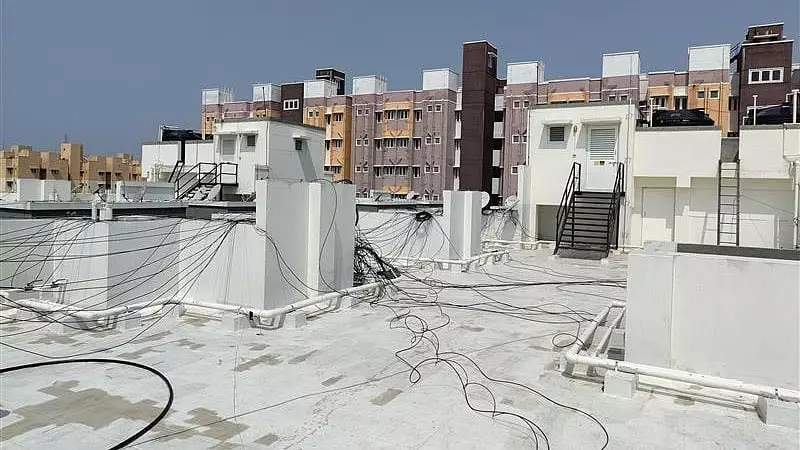
As scorching temperatures continue to grip Tamil Nadu, the state government has launched an innovative solution that's turning overheated classrooms into comfortable learning spaces. The implementation of cool roof technology in government schools is emerging as a game-changer in the battle against relentless heat waves.
The Science Behind Cooler Classrooms
Traditional concrete and asbestos roofs in Tamil Nadu's schools have been turning classrooms into virtual ovens, with temperatures often soaring 6-8 degrees Celsius above ambient levels. The new cool roof treatment involves applying special reflective coatings that significantly reduce heat absorption. Early results show impressive temperature drops of 4-6 degrees Celsius inside treated classrooms.
Pilot Program Shows Promising Results
The initiative began as a pilot project across multiple districts, targeting schools most affected by extreme heat conditions. "The difference is remarkable," reports a school principal from one of the participating institutions. "Students can now focus better during afternoon classes, and attendance has shown noticeable improvement."

Multiple Benefits Beyond Temperature Control
The cool roof program delivers several unexpected advantages:
- Energy efficiency: Reduced need for artificial cooling methods
- Cost effective: Lower electricity bills for schools using fans and coolers
- Health protection: Minimized risk of heat-related illnesses among students
- Academic improvement: Better concentration and learning outcomes
Scaling Up for Broader Impact
Encouraged by the pilot's success, education authorities are now planning to expand the program to more schools across Tamil Nadu. The timing couldn't be more crucial, as climate experts predict increasing frequency and intensity of heat waves in the coming years.
"This isn't just about comfort—it's about ensuring that extreme weather doesn't disrupt our children's education," explains a state education department official.
A Model for Other States
Tamil Nadu's cool roof initiative is drawing attention from other heat-affected states looking for sustainable solutions to protect vulnerable populations. The program demonstrates how simple, cost-effective technologies can make a significant difference in climate adaptation strategies.
As summer temperatures continue to break records, this innovative approach offers hope that with smart planning and appropriate technology, communities can effectively mitigate the impacts of extreme heat on education and daily life.






