

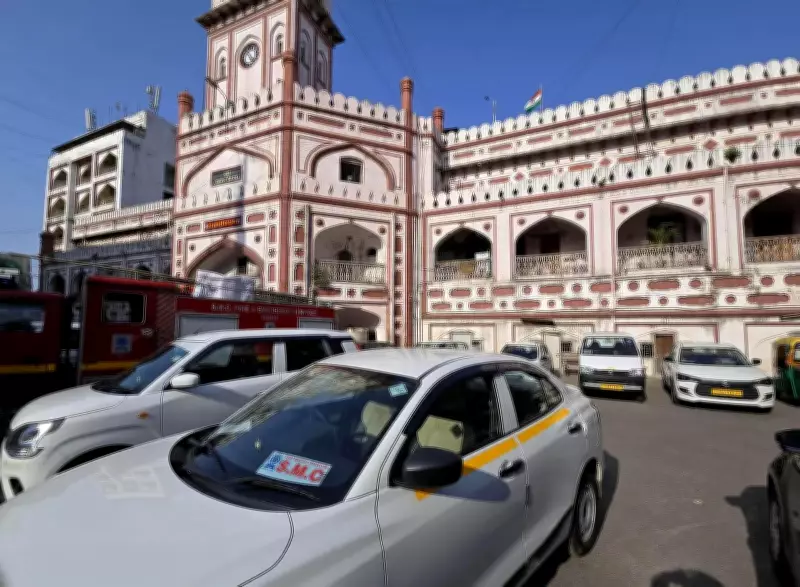
The Surat Municipal Corporation (SMC) has officially introduced a voluntary car and motorcycle pooling initiative aimed at reducing fuel consumption among its workforce. Municipal commissioner Nagrajan M announced the program on Thursday, expressing the civic body's ambition to save approximately 5,000 liters of fuel daily through coordinated commuting and shared travel for official duties.
Scope of the Initiative
SMC employs 29,000 individuals, with most commuting to work using private cars and two-wheelers. The initiative targets a reduction in the daily use of around 1,000 cars and 3,000 two-wheelers. This move is also anticipated to alleviate traffic congestion by decreasing the number of vehicles on city roads during peak hours.
Encouraging Shared Travel
Commissioner Nagrajan urged employees to consider sharing vehicles not only for commuting to and from the office but also during field visits. He suggested that staff members form teams and utilize a single vehicle for inspections and other on-ground tasks, thereby minimizing repeated trips and unnecessary fuel usage.

The initiative will be driven by individual departments and employees themselves, with no single department assigned to coordinate carpooling. Nagrajan stated, "We always discussed and tried to save fuel, but now there is an opportunity to do it with better focus. If only 20% of staff starts following vehicle sharing, there will be over 4,000 fewer vehicles plying on the road."
Additional Fuel-Saving Measures
Alongside the vehicle-sharing push, SMC is working on establishing fuel depots in various areas of the city. This will allow municipal vehicles to refuel without traveling long distances, further reducing consumption.
Nagrajan added, "Carpooling is not only beneficial in terms of fuel saving, but it will also improve the environment. SMC is taking the lead in the city, and we want citizens to reduce the use of separate vehicles."
Alignment with National Goals
The initiative aligns with Prime Minister Narendra Modi's recent national appeal to prioritize electricity and fuel conservation and promote green governance amid global fuel concerns linked to tensions in West Asia. The appeal also emphasized using modernization and digitization at workplaces to save fuel, time, and human effort while supporting a cleaner environment.






