

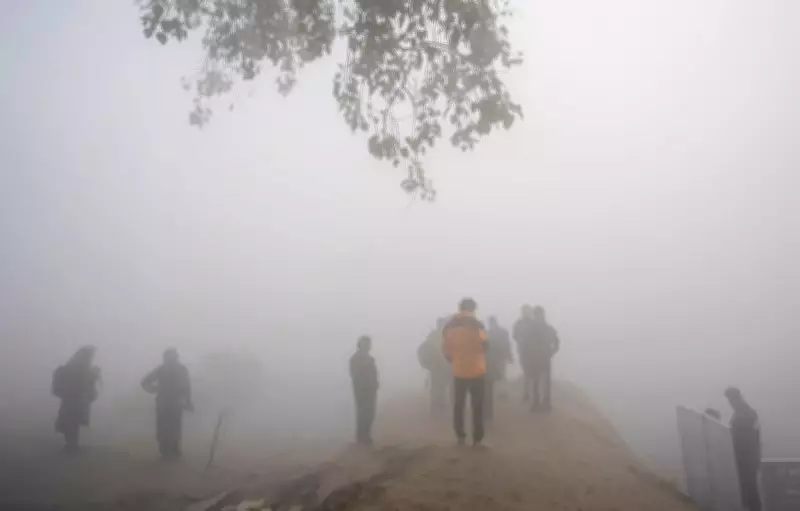
A recent scientific study has reported a significant 20% increase in pollution levels across the Indo-Gangetic Plain, the Himalayan region, and North-East India. The findings highlight a worrying trend of deteriorating air quality in these ecologically sensitive and densely populated areas.
Key Findings of the Study
The research, conducted by a team of environmental scientists, analyzed satellite data and ground-level measurements over a period of several years. The study specifically focused on particulate matter (PM2.5 and PM10) and other pollutants. The results showed a consistent upward trend in pollution concentrations, with the Indo-Gangetic Plain experiencing the most pronounced increase.
Regional Variations
While the overall increase was 20%, some sub-regions witnessed even higher spikes. For instance, parts of the Himalayan foothills and the Brahmaputra Valley in the North-East recorded increases of up to 25%. In contrast, certain urban centers in the Indo-Gangetic Plain showed slightly lower but still alarming rates.

Causes of the Pollution Surge
The study attributes the rise in pollution to a combination of factors:
- Industrial Emissions: Rapid industrialization without adequate emission controls has led to increased release of pollutants.
- Vehicle Exhaust: Growing vehicular traffic, especially in urban areas, contributes significantly to air pollution.
- Agricultural Burning: Stubble burning in the agricultural season remains a major source of particulate matter.
- Construction Activities: Unregulated construction dust adds to the problem.
- Geographical Factors: The unique topography of the Himalayan region and the Indo-Gangetic Plain traps pollutants, preventing their dispersion.
Health and Environmental Impacts
The increase in pollution poses severe risks to human health, including respiratory and cardiovascular diseases. The study warns that prolonged exposure could lead to reduced life expectancy and increased mortality rates. Additionally, the environmental impact includes damage to ecosystems, reduced agricultural productivity, and accelerated glacier melting in the Himalayas.
Call for Urgent Action
The researchers emphasize the need for immediate policy interventions. They recommend stricter enforcement of emission norms, promotion of clean energy, investment in public transportation, and adoption of sustainable agricultural practices. Regional cooperation is also crucial, as pollution does not respect state or national boundaries.
The study serves as a stark reminder of the escalating pollution crisis in South Asia and underscores the urgent need for collective action to safeguard public health and the environment.






