

Heatwave Forces Snakes into Wells Across Coastal Karnataka
As temperatures continue to soar along the coastal regions of Karnataka, an unusual and concerning trend has emerged: snakes are increasingly falling into wells. Wildlife rescuers report that the intense heat is compelling reptiles to seek out cooler, damp environments, making wells an attractive refuge. This phenomenon is creating challenges for both the animals and local communities.
Environmental and Structural Factors at Play
Akshay N Shet, founder of Uchhu Trust (Udupi Snake in the City), explains that the presence of snakes in wells results from a combination of environmental and structural factors. "During hot weather, snakes are naturally drawn to water sources. Wells offer a dark, damp space that helps them beat the heat and also attracts prey like rodents," he stated. This year alone, Shet has rescued 23 snakes from wells across the region, highlighting the scale of the issue.
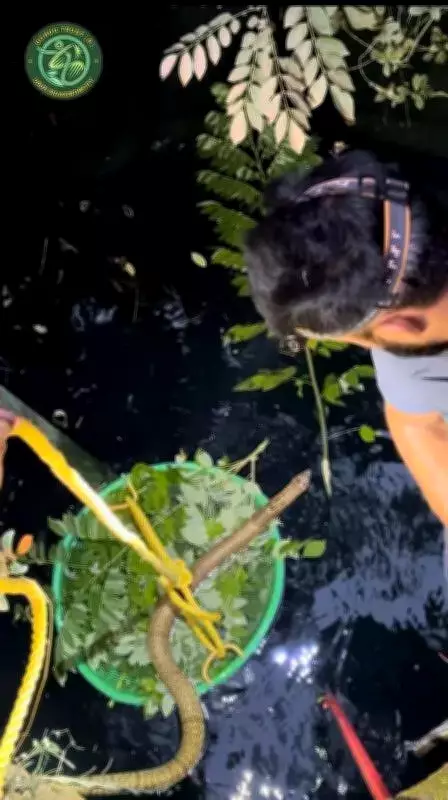
Most snakes fall accidentally while searching for prey, shelter, or escape routes. Shet recalled a recent incident in Kaup where three pythons—one female and two males—fell into a well. "We were alerted after dark. Entering a well is risky, so we either lower baskets or tree branches to help the snakes climb out. In this case, we waited for two days for them to emerge safely," he shared.

Challenging Rescue Operations and Common Species
Rescue operations require patience and careful handling. In another instance at Brahmavar, Shet spent nearly two days retrieving a spectacled cobra that had fallen into a well. "Such situations often create panic, but rescues require patience and careful handling," he noted. He also recounted an incident where a python, spotted on the raised wall (katte) of a well, jumped inside out of fear.
The most commonly found species in these incidents include:
- Spectacled cobras
- Rat snakes
- Pythons
- Russell's vipers
Shet added that increased sightings are also linked to the mating season, particularly for cobras. Rescue operations are relatively easier during the monsoon when rising water levels reduce the depth of wells. However, he cautioned that many incidents go unnoticed, especially in unused wells where snakes may remain trapped for days.
Safety Concerns and Public Awareness
Shet addressed a common concern, clarifying that the presence of a snake does not make well water poisonous. "It becomes a problem only if the snake dies and decomposes in the water," he added, noting that many trapped snakes are often stressed, weak, and sometimes dehydrated due to prolonged entrapment.
Tauseef Ahmed of Mr Rescuer echoed these observations, stating that snakes often end up in wells while searching for cooler surroundings or in pursuit of food, as animals have limited access to artificial water sources. "We receive around four to five cases of snakes for rescue in a week," he said, adding that larger snakes are generally easier to handle.
Ahmed noted that people tend to be more cautious when it comes to species like cobras and vipers. However, he warned that attempting to enter a well is extremely risky due to the high chances of snakebite. "We usually place a net to trap the snake and lower tree branches into the well to help in the rescue," he explained.
This trend underscores the broader impact of rising temperatures on wildlife behavior and the importance of professional intervention in such scenarios to ensure both human and animal safety.






