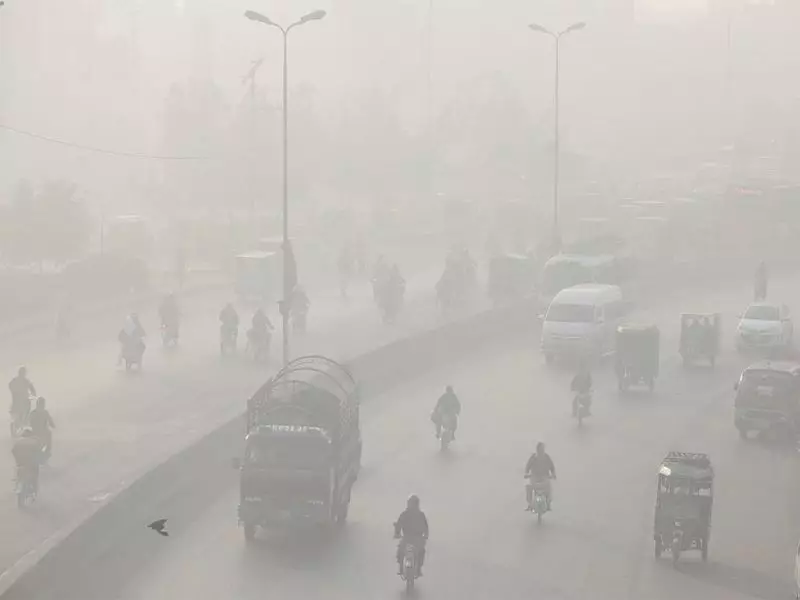
Smog Chokes Pakistan's Punjab as Air Quality Drops to 'Very Unhealthy' Levels
Pakistan's Punjab province is grappling with a severe smog crisis. Air quality has plummeted to 'very unhealthy' levels, creating hazardous conditions for millions of residents. This environmental emergency is causing widespread health concerns and disrupting daily life across the region.
Air Quality Index Reaches Dangerous Peaks
Recent monitoring data shows the Air Quality Index (AQI) in Punjab has soared into the 'very unhealthy' category. This classification indicates that the air poses significant health risks to the general population. People with respiratory issues, children, and the elderly are particularly vulnerable under these conditions.
Major cities like Lahore and Faisalabad are experiencing thick layers of smog. Visibility has dropped sharply, affecting transportation and outdoor activities. The smog is a mix of pollutants, including particulate matter, vehicle emissions, and industrial waste, which combine to form a toxic haze.

Health Impacts and Public Response
Doctors and health officials report a surge in respiratory problems. Cases of asthma, bronchitis, and other lung-related illnesses are rising rapidly. Hospitals are seeing more patients complaining of coughing, throat irritation, and breathing difficulties.
Authorities have issued health advisories urging people to limit outdoor exposure. They recommend wearing masks and using air purifiers indoors. Schools in some areas have temporarily closed to protect children from the harmful effects of the polluted air.
Environmental experts point to several factors contributing to the smog. Agricultural burning, industrial pollution, and increased vehicular traffic are major culprits. Weather conditions, such as low wind speeds and temperature inversions, are trapping pollutants close to the ground, worsening the situation.
Government Measures and Long-Term Concerns
The provincial government has announced emergency measures to tackle the smog. These include stricter enforcement of emission controls and bans on open burning. However, implementation challenges persist, and many residents feel the response is inadequate.
Long-term, the smog crisis highlights broader environmental issues in South Asia. Climate change and rapid urbanization are exacerbating air pollution problems. Without sustained efforts, such smog episodes could become more frequent and severe, posing ongoing threats to public health and the economy.
For now, residents of Punjab are coping with the immediate impacts. The smog has turned skies gray and made breathing a challenge. As the crisis continues, calls for more effective action are growing louder from communities and activists alike.