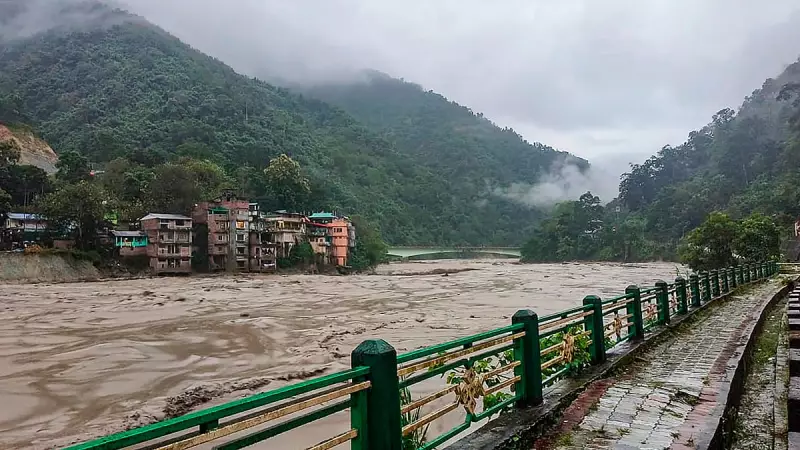
The picturesque mountains of Sikkim are showing alarming signs of stress as unprecedented development activities clash with the region's delicate geological framework. Recent data reveals a disturbing pattern of seismic activity that has experts deeply concerned about the environmental future of this Himalayan state.
Alarming Seismic Statistics Emerge
Over the past ten years leading up to January 2025, the Sikkim region has experienced 440 earthquakes measuring magnitude 4.0 or higher within a 300-kilometer radius. This translates to an average of approximately 44 significant seismic events annually, painting a worrying picture of the region's geological instability.
The consistent frequency of these tremors suggests that the Himalayan state is undergoing substantial stress beneath its surface. While earthquakes are not uncommon in this seismically active zone, the sheer volume recorded over the past decade indicates an acceleration of tectonic pressures that demands immediate attention from policymakers and environmental experts alike.

Development Versus Environmental Stability
The increasing construction of infrastructure projects, including roads, hydroelectric plants, and urban expansions, has placed tremendous strain on Sikkim's fragile mountain ecosystems. Geological experts point to the combination of natural seismic activity and human-induced stress as a potentially dangerous mix that could lead to more severe environmental consequences.
Environmental activists and local communities have repeatedly voiced concerns about the pace and scale of development in this ecologically sensitive region. The earthquake data provides scientific backing to these apprehensions, suggesting that the mountains are literally cracking under the pressure of human activity.
Regional Implications and Future Concerns
The situation in Sikkim serves as a critical case study for other Himalayan states facing similar development challenges. The data underscores the urgent need for sustainable development practices that respect the geological limitations of mountain regions.
Experts emphasize that the earthquake statistics should serve as a wake-up call for implementing more robust environmental impact assessments and developing construction techniques specifically designed for seismically active mountain regions. The future stability of Sikkim's communities and ecosystems may depend on how quickly authorities respond to these warning signs from the earth itself.
As development continues across the Himalayan belt, the experience of Sikkim offers valuable lessons about the delicate balance between progress and preservation in one of the world's most vulnerable ecological zones.