Saudi Chemical Plant Shutdown Amid Iran Conflict Triggers Gulf Oil Crisis
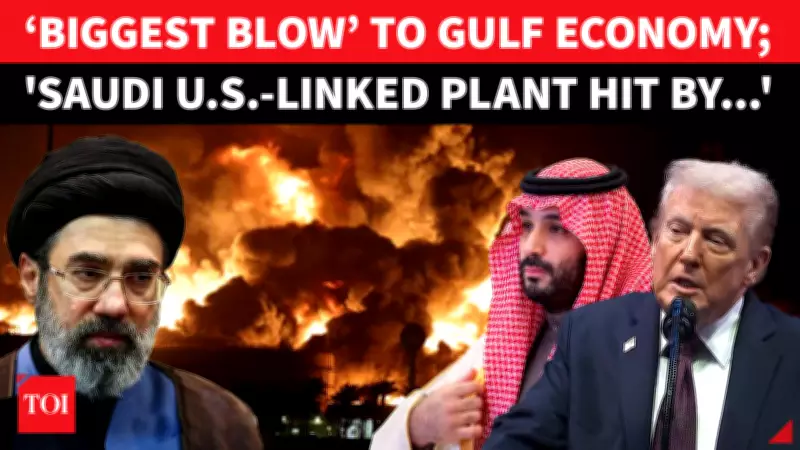
A major chemical facility in Saudi Arabia has been forced to suspend all operations as the ongoing conflict involving Iran continues to severely disrupt critical energy infrastructure across the Gulf region. The Sadara Chemical Company, which is a significant joint venture between Saudi Aramco and Dow Chemical, has confirmed a complete temporary shutdown of its production activities. However, the company has not provided any specific timeline for when operations might resume, leaving the industry in a state of uncertainty.
Impact on Global Energy Supply
This development highlights the rapidly widening impact of the crisis, particularly as the strategic Strait of Hormuz remains effectively blocked. This vital maritime chokepoint is crucial for global energy flows, with nearly 20% of the world's oil and liquefied natural gas passing through it. The blockage has created a significant bottleneck, exacerbating supply chain disruptions and contributing to rising energy prices on international markets.
The Sadara plant alone is a massive production facility, manufacturing approximately three million tons of chemicals annually. This scale of output underscores the substantial disruption caused by the shutdown, affecting not only the chemical industry but also downstream sectors that rely on these products.

Economic Consequences and Regional Fallout
Meanwhile, the United Nations Development Programme has released alarming estimates regarding the economic fallout from the conflict. The organization projects that the region could lose up to $200 billion in Gross Domestic Product as a direct result of the ongoing disruptions. This staggering financial loss is expected to have severe social implications, with rising unemployment and increasing poverty levels worsening the overall economic situation in affected countries.
The combination of infrastructure damage, blocked trade routes, and production halts like that at Sadara creates a perfect storm for economic hardship across the Gulf region. The situation remains fluid, with international observers closely monitoring developments as diplomatic efforts continue to address the underlying conflict.