

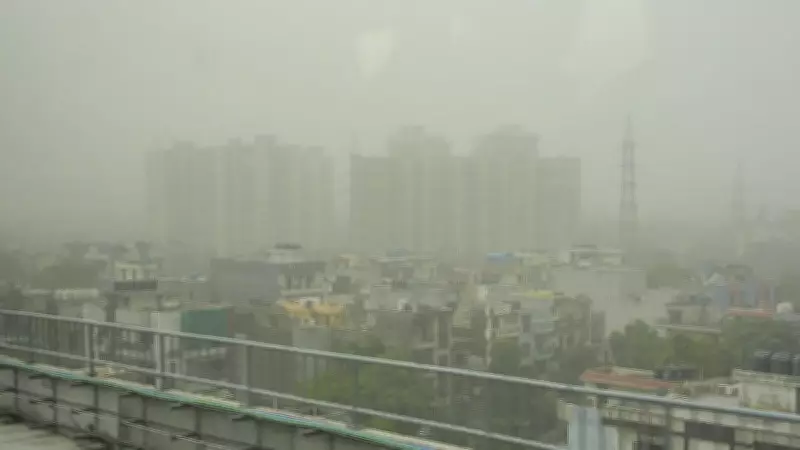
A recent satellite study has uncovered a significant rise in particulate matter (PM) pollution across the Indo-Gangetic Plain, with levels increasing by over 20% in recent years. This alarming trend poses serious health and environmental risks for millions of residents in the region.
Key Findings of the Study
The study, conducted using satellite data, analyzed PM2.5 and PM10 concentrations from 2000 to 2023. It revealed a consistent upward trend, particularly in states like Punjab, Haryana, Uttar Pradesh, Bihar, and West Bengal. The increase is attributed to a combination of factors, including industrial emissions, vehicular exhaust, crop residue burning, and construction activities.
Health and Environmental Implications
Exposure to elevated PM levels is linked to respiratory and cardiovascular diseases, premature deaths, and reduced life expectancy. The Indo-Gangetic Plain, home to over 900 million people, already faces severe air quality issues, especially during winter months when temperature inversions trap pollutants near the ground.

Regional Variations
The study highlighted regional differences in pollution trends. For instance, urban centers like Delhi and Kolkata experienced sharper increases compared to rural areas. However, even rural regions showed a notable rise, indicating the widespread nature of the problem.
Causes of the Pollution Spike
Several factors contribute to the worsening air quality:
- Industrial Growth: Rapid industrialization without adequate emission controls has led to increased release of pollutants.
- Vehicular Emissions: The surge in vehicle numbers, especially diesel-powered ones, has significantly added to PM levels.
- Agricultural Practices: Stubble burning in Punjab and Haryana remains a major contributor during the post-harvest season.
- Construction Dust: Unregulated construction activities generate large amounts of dust.
Government Initiatives and Challenges
The Indian government has launched several initiatives to combat air pollution, such as the National Clean Air Programme (NCAP) and the Graded Response Action Plan (GRAP). However, implementation challenges, lack of coordination among states, and insufficient funding have hampered progress. The study underscores the need for more stringent regulations and cross-border cooperation.
Way Forward
Experts recommend a multi-pronged approach, including promoting clean energy, enhancing public transportation, enforcing stricter emission norms, and incentivizing sustainable agricultural practices. Public awareness and community participation are also crucial in addressing this crisis.
As the Indo-Gangetic Plain grapples with rising pollution levels, the satellite study serves as a stark reminder of the urgent action required to safeguard public health and the environment.






