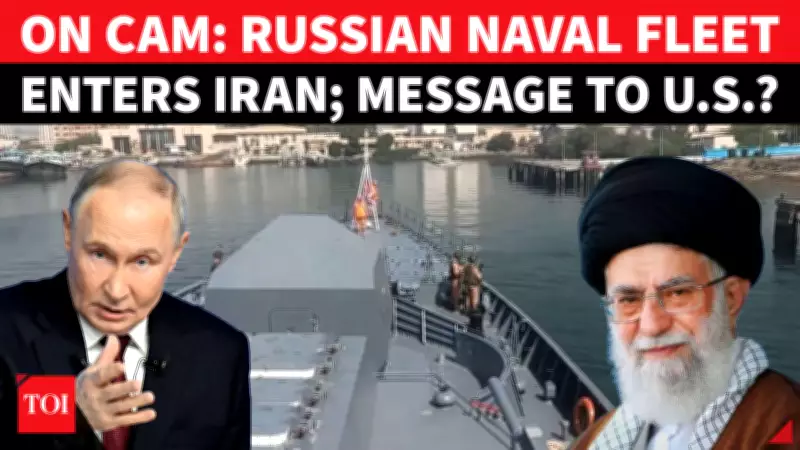
Russian Warship Joins Iranian Navy in Strait of Hormuz Amid U.S. Tensions
In a significant display of military cooperation, Russia's Baltic Fleet corvette Stoikiy has docked at Iran's Bandar Abbas port, marking a joint naval exercise between Moscow and Tehran. This strategic move unfolds as Iran temporarily closed sections of the vital Strait of Hormuz following live-fire drills, heightening regional tensions amid ongoing friction with the United States.
Joint Naval Drills and Strategic Port Visit
The arrival of the Russian warship at the Bandar Abbas port, a key location along the Strait of Hormuz, underscores the deepening alliance between Russia and Iran. The joint naval drills are part of a broader effort to showcase military readiness and solidarity, particularly in response to perceived threats from the U.S. The Strait of Hormuz, a critical chokepoint for global oil shipments, has been a focal point of geopolitical maneuvering, with Iran's recent exercises and temporary closures adding to the volatility.
U.S.-Iran Indirect Talks in Geneva
Simultaneously, Iran and the United States engaged in a second round of indirect talks in Geneva, where Foreign Minister Abbas Araghchi expressed cautious optimism about diplomatic progress. However, he issued a stern warning against military threats, emphasizing that such actions could derail negotiations. The talks aim to address longstanding issues, including nuclear concerns and regional security, but the backdrop of military posturing by both Iran and its allies complicates the diplomatic landscape.

Regional Implications and Global Reactions
The joint Russian-Iranian naval activities signal a potential shift in power dynamics in the Middle East, with Moscow increasingly positioning itself as a key player in regional affairs. This development comes amid reports of other geopolitical moves, such as Putin dispatching a top minister to Iran in a show of support against U.S. military buildup. The situation in the Strait of Hormuz remains tense, with implications for global energy markets and international security, as stakeholders monitor for further escalations or breakthroughs in diplomacy.