Economic Crisis Compels Rawalpindi Health Department to Scale Back Anti-Polio Efforts
In a significant development highlighting the severe impact of Pakistan's ongoing economic challenges on public health initiatives, the health department in Rawalpindi has been forced to implement substantial cuts to its critical anti-polio campaign. The financial strain has necessitated a dual-pronged austerity measure: a reduction in the duration of the vaccination drive and a sharp decrease in the payments disbursed to the dedicated polio workers on the front lines.
Shortened Campaign Duration and Reduced Worker Compensation
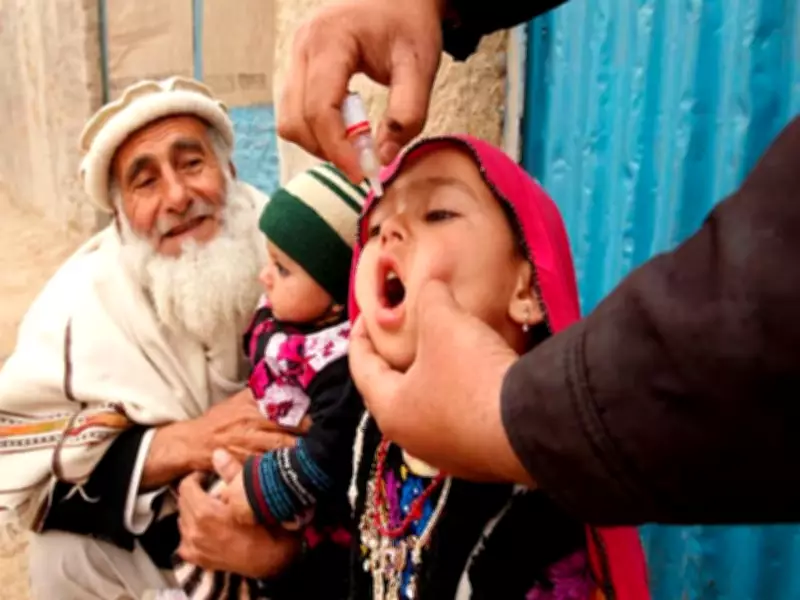
The department has officially decided to curtail the operational timeline of the upcoming anti-polio campaign. This strategic shortening is a direct consequence of budgetary constraints that have tightened the allocation of funds for public health programs. Concurrently, in a move that directly affects the workforce, the payments designated for the polio workers have been slashed. These individuals, who play an indispensable role in door-to-door vaccination efforts, community outreach, and ensuring vaccine coverage, will now receive significantly lower remuneration for their vital services.
Underlying Causes: Pakistan's Broader Economic Turmoil
This decision is not an isolated incident but rather a symptom of the broader economic crisis gripping Pakistan. The nation has been grappling with soaring inflation, a depreciating currency, and mounting external debt, which collectively have placed immense pressure on government expenditures across all sectors. Public health, often one of the first areas to face cuts during fiscal tightening, is bearing the brunt of these financial difficulties. The funding shortfall for essential programs like polio eradication underscores the difficult trade-offs being made at the administrative level.

Potential Implications for Public Health and Eradication Goals
The scaling back of the anti-polio campaign in Rawalpindi raises serious concerns for public health officials and international observers. Pakistan remains one of the last two countries in the world, alongside Afghanistan, where the wild poliovirus is still endemic. Sustained, intensive vaccination campaigns are crucial to interrupting transmission and achieving eradication. A shorter campaign duration and demotivated workforce due to reduced pay could lead to:
- Decreased Vaccination Coverage: Fewer children may be reached within the compressed timeline.
- Lower Worker Morale and Retention: Slashed payments may discourage current workers and hinder recruitment of new personnel.
- Increased Risk of Virus Spread: Any gap in immunity coverage provides an opportunity for the virus to circulate and potentially spread to other regions.
This situation presents a significant setback in the long-standing battle against polio in the region and could jeopardize years of progress.
Looking Ahead: Challenges and Necessary Actions
The move by the Rawalpindi health department highlights the precarious balance between fiscal austerity and safeguarding public health. While the economic rationale may be clear, the potential human cost is high. It underscores the urgent need for:
- Stabilizing Pakistan's economy to prevent further cuts to essential services.
- Exploring alternative funding mechanisms or international support to bridge the gap for critical health programs.
- Ensuring that frontline health workers are adequately compensated to maintain the integrity of disease eradication efforts.
The decision serves as a stark reminder of how macroeconomic instability can directly undermine frontline healthcare delivery and global health security goals.