In the murky waters of Mexico's Gulf of California, a silent crisis is unfolding that pits ancient Chinese medicine against modern conservation efforts. The source of this conflict? A rare fish organ so valuable it's earned the nickname "aquatic cocaine" for its staggering black market price.
The Golden Prize: Totoaba's Million-Dollar Swim Bladder
The totoaba fish, an endangered species native to these waters, possesses a swim bladder that has become one of the most sought-after commodities in illegal wildlife trade. This internal organ, used by the fish for buoyancy, commands prices exceeding $80,000 per kilogram in Asian markets - making it literally more valuable than gold by weight.
Why such astronomical prices? The swim bladder, known as "fish maw" in traditional Chinese medicine, is believed to have numerous health benefits including improved circulation, skin quality, and fertility. Though scientific evidence supporting these claims remains scarce, the cultural demand continues to drive a brutal black market.

The Collateral Damage: World's Rarest Marine Mammal
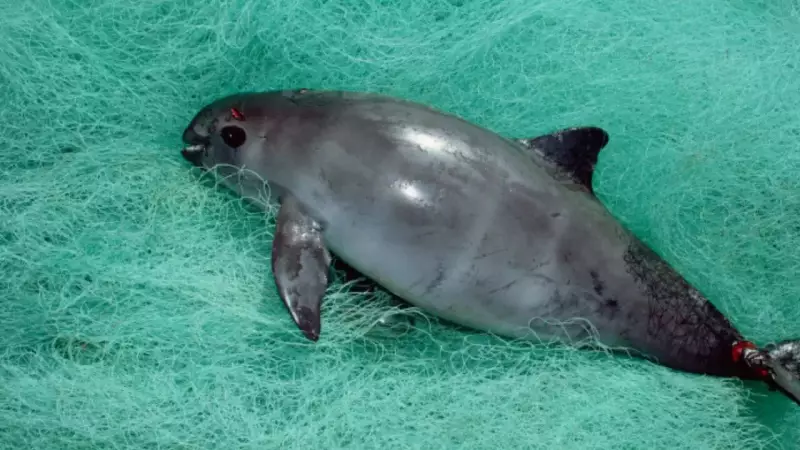
The real tragedy lies in the fishing methods used to catch totoaba. Poachers deploy illegal gillnets that indiscriminately trap everything in their path - including the vaquita porpoise, the world's most endangered marine mammal.
With fewer than 10 individuals remaining, the vaquita has become unintended collateral damage in the hunt for totoaba. These small porpoises, found nowhere else on Earth, become entangled in the nets and drown, pushing them dangerously close to extinction.
Conservation Efforts Face Uphill Battle
Mexican authorities and international conservation groups have implemented various measures to protect both species:
- Banning gillnet fishing in the vaquita's habitat
- Increased naval patrols and surveillance
- Promoting alternative livelihoods for local fishermen
- International cooperation to disrupt trafficking networks
Despite these efforts, the enormous profits from totoaba bladders continue to fuel sophisticated smuggling operations that span continents.
A Global Wildlife Crisis
This situation represents a classic conservation dilemma where cultural traditions clash with ecological preservation. The totoaba-vaquita crisis highlights how demand from one part of the world can trigger an environmental catastrophe thousands of miles away.
As conservationists race against time, the fate of the vaquita hangs in the balance, serving as a stark reminder of the interconnectedness of global wildlife trade and the devastating consequences of unsustainable demand.