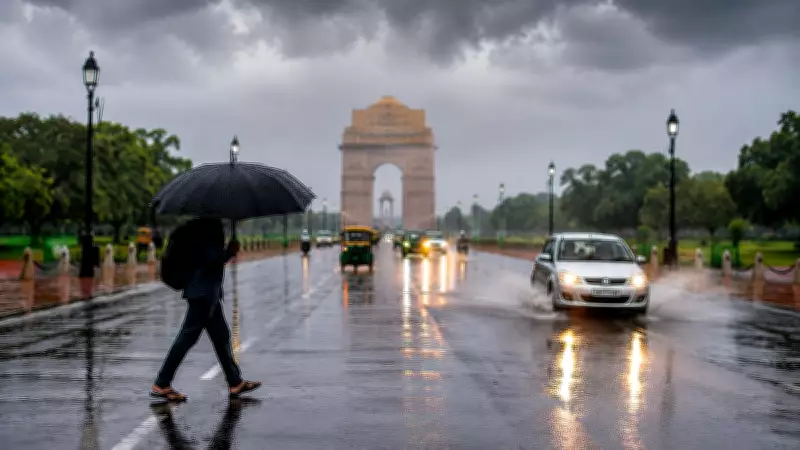
India's rainfall deficit has narrowed to 12 percent as July brought above-normal monsoon showers, according to the India Meteorological Department (IMD). The improvement comes after a below-normal June, raising hopes for agricultural recovery.
July rains crucial for monsoon season
The IMD stated that the situation is being continuously monitored, noting that July receives more than 30 percent of the monsoon season's total rainfall. This month's above-normal precipitation has helped offset the earlier shortfall, bringing the cumulative deficit down from a peak of 19 percent in late June.
Heavy rainfall events have been reported across several states, including Maharashtra, Delhi, and parts of central India. The IMD's data shows that the monsoon trough has been active, leading to widespread rain in many regions.

Impact on agriculture and water reservoirs
The improved rainfall is expected to benefit kharif crops such as paddy, pulses, and oilseeds, which are currently in their sowing phase. Water levels in major reservoirs have also risen, easing concerns about drinking water supply and hydropower generation.
However, the IMD has warned that the El Niño phenomenon could still influence the latter part of the monsoon season. El Niño is typically associated with weaker monsoon rains in India, but its impact has been less pronounced so far in July.
Regional variations remain
While the overall deficit has narrowed, regional disparities persist. Parts of northwest India, including Rajasthan and Punjab, have received below-normal rainfall, while southern states like Kerala and Karnataka have experienced excess precipitation. The IMD has advised farmers to stay updated on local weather forecasts and adjust their cropping patterns accordingly.
The monsoon season, which runs from June to September, is critical for India's agriculture-dependent economy. Above-normal rainfall in July provides a boost, but consistent precipitation in August and September will be key to achieving a normal seasonal total.