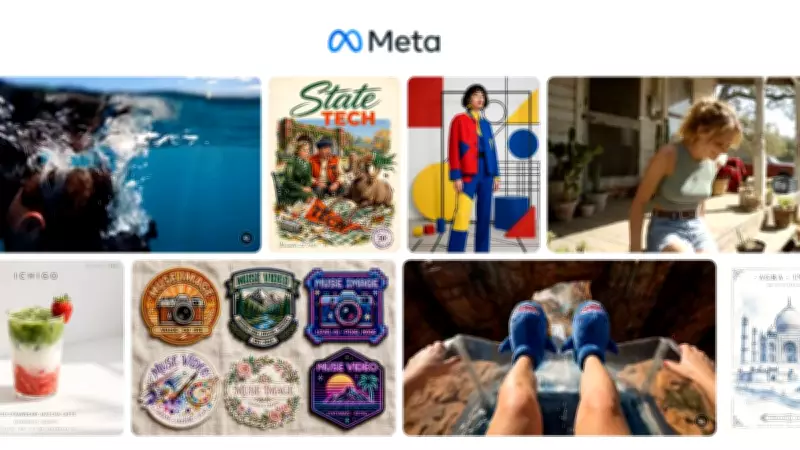
Meta Unveils Muse AI Image Generator
Meta has officially launched its latest artificial intelligence tool, Muse, an image generator capable of creating photorealistic visuals from text prompts. The model has been trained on a vast dataset of images sourced from Instagram, the company's popular photo-sharing platform. This development marks a significant step in Meta's AI ambitions but has immediately ignited concerns over user privacy and data usage.
How Muse Works
Muse operates by translating descriptive text into high-quality images, similar to other generative AI models like DALL-E and Stable Diffusion. However, its training data comes directly from public Instagram posts, raising questions about consent and the ethical use of user-generated content. Meta claims that only publicly available images were used and that the model does not reproduce specific user photos.
Privacy Concerns Surface
Privacy advocates have voiced strong objections, arguing that users did not explicitly consent to their images being used for AI training. According to a statement from the Electronic Frontier Foundation, "Meta's use of Instagram photos without clear opt-in mechanisms undermines user trust and sets a dangerous precedent for AI training practices." The company has responded by stating that its data collection complies with its terms of service and applicable privacy laws.

Meta's Response and Safeguards
Meta has emphasized that Muse incorporates safeguards to prevent the generation of harmful or misleading content. The tool includes filters against violent, sexually explicit, and copyrighted material. Additionally, Meta has committed to allowing Instagram users to opt out of future data collection for AI training, though the mechanism for this remains unclear.
Broader Implications for AI and Social Media
The launch of Muse comes amid a broader industry trend of tech companies leveraging user data to train AI models. Google, OpenAI, and others have faced similar scrutiny. Meta's move could set a precedent for how social media platforms handle user content in the age of generative AI. Regulators in Europe and the US are already examining the legal and ethical dimensions of such practices.
What This Means for Instagram Users
For the average Instagram user, the immediate impact is minimal, as Muse does not generate images of specific individuals without additional prompts. However, the long-term implications for data privacy and control are significant. Users concerned about their content being used may need to adjust privacy settings or limit public sharing. Meta has stated that it will provide more transparency and control options in the coming months.
Conclusion
Meta's Muse AI image generator represents a technological leap but also a contentious step in data ethics. As the tool rolls out globally, the balance between innovation and privacy will continue to be a pivotal issue. The company faces the challenge of maintaining user trust while advancing its AI capabilities.