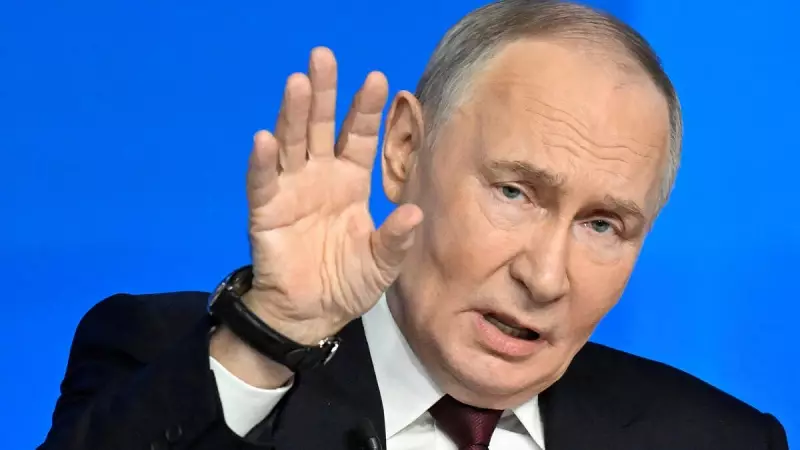
In a significant public statement, Russian President Vladimir Putin has addressed the ongoing discussions surrounding Greenland's ownership, marking the first time he has spoken on this matter openly. Putin explicitly stated that who owns Greenland is of no concern to Russia, downplaying the territory's strategic importance in global affairs.
Putin's Valuation and Stance on Greenland
During his remarks, Putin placed Greenland's worth at approximately $1 billion, a figure that contrasts sharply with some international assessments that highlight its potential geopolitical and economic value. This valuation suggests Russia views the territory as having limited significance in its foreign policy calculations.
Implications for Trump's Push for Control
Putin's comments signal that Russia would not object to former U.S. President Donald Trump's push to control Greenland. This stance could ease tensions in international diplomacy, as it removes a potential point of contention between Russia and the United States over territorial ambitions in the Arctic region.

The timing of Putin's statement is notable, coming amid renewed global interest in Arctic resources and sovereignty. By publicly dismissing concerns over Greenland's ownership, Putin may be aiming to project a non-confrontational image while subtly influencing geopolitical dynamics.
Global Reactions and Context
This development follows reports from Reuters, dated January 22, 2026, which first highlighted Putin's remarks. The statement has sparked discussions among world leaders and analysts, who are assessing its impact on international relations and Arctic governance.
Key points from Putin's address include:
- Greenland's ownership is not a priority for Russia.
- The territory is valued at $1 billion, reflecting a pragmatic economic assessment.
- No opposition to Trump's efforts to gain control over Greenland.
Overall, Putin's public stance on Greenland underscores a calculated approach to global territorial disputes, emphasizing economic valuations over strategic rivalries. This could reshape how nations engage in discussions about Arctic sovereignty in the coming years.