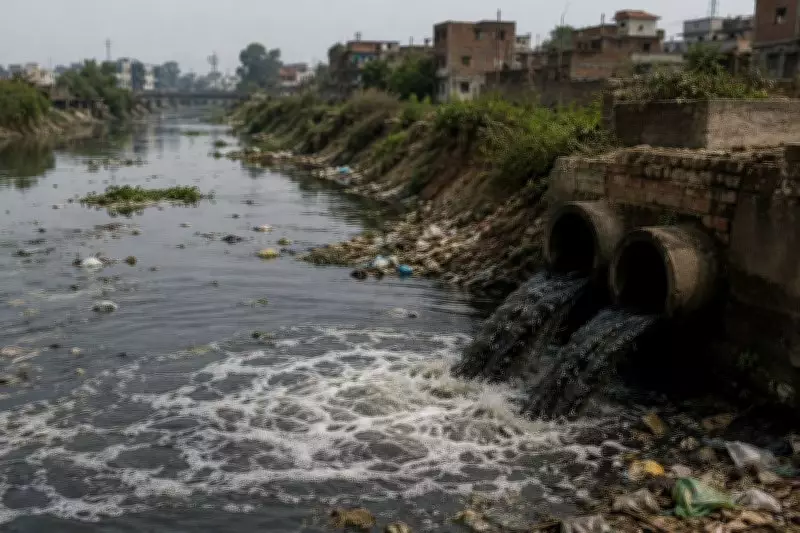
Punjab's canal system, once a lifeline for agriculture, has become a conduit for toxic pollutants. Industrial effluents and agricultural runoff laden with pesticides and fertilizers are discharged into these waterways, turning them into poisoned channels. This crisis underscores a deeper failure in environmental governance, where regulatory mechanisms have proven inadequate to protect water resources.
The Scale of Contamination
Studies reveal alarming levels of heavy metals, nitrates, and organic pollutants in Punjab's canals. The Budha Nallah, a seasonal stream turned sewage drain, exemplifies this degradation. Its waters, which flow into the Sutlej River, contain pollutants far exceeding safe limits. This contamination not only affects drinking water supplies but also seeps into groundwater, posing long-term health risks.
Industrial and Agricultural Sources
Industrial units, particularly textile mills and tanneries, discharge untreated or partially treated waste into canals. Agriculture contributes through excessive use of chemical fertilizers and pesticides, which wash off into water bodies. The lack of effective treatment facilities and enforcement of environmental laws exacerbates the problem.

Health and Economic Impacts
Residents in affected areas report high incidences of kidney diseases, cancer, and skin ailments. Agriculture suffers as contaminated water reduces crop yields and soil fertility. The economic cost includes healthcare expenses and loss of livelihood for farmers and fishermen.
Governance Failures
The crisis highlights systemic governance issues. The Punjab Pollution Control Board (PPCB) struggles with limited resources and weak enforcement powers. Coordination between state and central agencies is poor, and there is a lack of political will to address industrial pollution. Furthermore, public awareness and participation in environmental monitoring remain low.
Legal Framework and Implementation
India's environmental laws, such as the Water (Prevention and Control of Pollution) Act, 1974, provide a framework for regulation, but implementation is flawed. Courts have intervened, ordering cleanup measures, but compliance is slow. The National Green Tribunal has taken suo motu cognizance of the Budha Nallah issue, yet progress is limited.
Community and Civil Society Response
Local communities and NGOs have been vocal, organizing protests and filing petitions. However, their efforts are often met with apathy from authorities. Some grassroots initiatives focus on alternative farming practices and water conservation, but they are not scaled up.
Path Forward
Addressing the crisis requires a multi-pronged approach. Strengthening regulatory bodies, promoting cleaner production methods, and investing in wastewater treatment plants are essential. Additionally, adopting sustainable agricultural practices and enhancing public participation in governance can help restore Punjab's canals. Without decisive action, the state's water resources will continue to degrade, with severe consequences for health, agriculture, and the environment.