

Punjab's First Crematorium Air Pollution Device Installed in Patiala
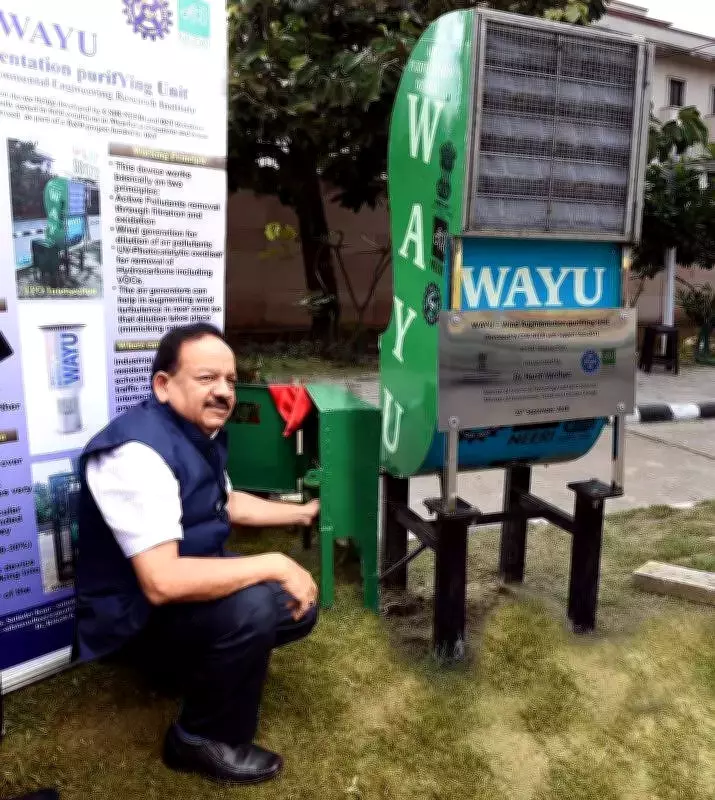
In a groundbreaking move for Punjab, an air pollution control device (APCD) has been installed at a crematorium in Patiala, marking the state's first such initiative to curb emissions from traditional funeral pyres. This pilot project, set up at the Badungar crematorium under the National Clean Air Programme (NCAP), represents a new front in Punjab's ongoing efforts to improve air quality and combat urban pollution.
Balancing Environment and Culture
Punjab Pollution Control Board (PPCB) chairperson Reena Gupta emphasized that this initiative carefully balances environmental concerns with deep-rooted cultural practices. "Traditional cremation is integral to our social fabric and religious customs. This installation demonstrates how modern technology can effectively reduce harmful emissions without disrupting or disrespecting these age-old traditions," she stated. The move comes as wood-based cremation remains prevalent across the state despite the availability of electric and gas alternatives, largely due to religious and cultural preferences that authorities are striving to accommodate.
Targeting Overlooked Pollution Sources
Officials explained that the APCD is specifically designed to cut particulate emissions, particularly PM10 and PM2.5 particles, which are known to significantly degrade air quality and pose health risks. PPCB member secretary Dr. Lavneet Dubey noted that while individual crematoria might seem like minor contributors to pollution, their cumulative impact on urban air quality is substantial and often overlooked in broader environmental strategies. "We are conducting comprehensive pre- and post-installation studies to rigorously assess the device's effectiveness in reducing emissions. This data will be crucial before we consider wider implementation across other locations," Dr. Dubey added.

A Replicable Model for Punjab
Deputy Commissioner Varjeet Walia described the installation as a "replicable model" for achieving measurable pollution reduction in urban settings. The pilot project is planned to be replicated in other non-attainment cities—those failing to meet national air quality standards—before potentially being scaled up across Punjab. This strategic approach allows for testing and refinement in targeted areas, ensuring that any broader rollout is based on proven results and local adaptability.
Future Implications and Studies
The PPCB is currently monitoring the device's performance through detailed environmental studies, comparing air quality metrics before and after installation. These assessments will help determine the feasibility of expanding this technology to other crematoria in Punjab, where traditional practices continue to dominate. By addressing this specific source of pollution, authorities aim to complement existing clean air initiatives and create a more holistic approach to improving the state's environmental health, all while respecting cultural sensitivities and community values.






