Pune's Botanical Garden Reveals Stark Contrast Between Natural Heritage and Urban Pollution
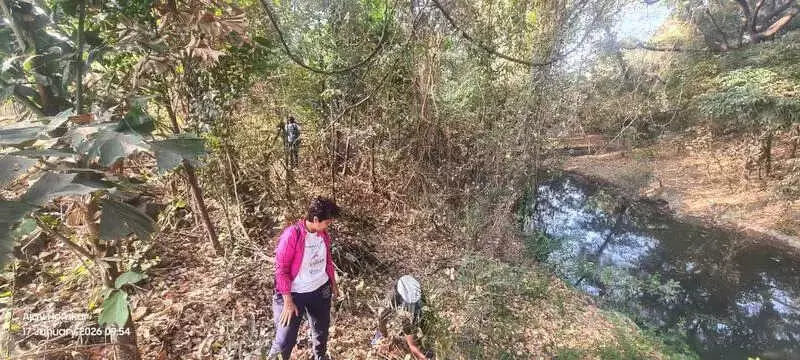
A recent citizen-led biodiversity documentation initiative at Pune's Ganeshkhind Botanical Garden has unveiled a compelling yet concerning picture of the city's ecological landscape. The exercise, conducted by dedicated volunteers, simultaneously highlighted the area's remarkable natural wealth and the escalating threats posed by urban pollution and development activities.
Documenting Pune's Green Lungs
The comprehensive mapping project forms part of an ongoing effort to systematically record the flora and fauna within Pune's vital river corridors and designated green spaces. This includes the officially recognized biodiversity heritage site at Ganeshkhind, which serves as a crucial ecological refuge within the urban environment.
Ajay Homkar, a committed volunteer with the Pune River Revival (PRR) organization, emphasized the initiative's long-term objectives. "Our primary goal is to establish a detailed, systematic ecological record of trees, bird species, and other wildlife within the botanical garden and along the riverbanks. This scientific documentation will provide essential data to advocate more effectively for ecosystem protection and conservation measures," Homkar explained.

Thriving Biodiversity Amid Urban Challenges
The documentation team discovered a surprisingly vibrant and complex ecosystem that persists despite its urban surroundings. The area continues to function as a significant habitat for diverse avian populations, with volunteers recording numerous important sightings including:
- Plum-headed parakeets displaying their distinctive coloration
- Spotted owlets inhabiting the garden's mature trees
- Grey hornbills moving through the canopy
- Various species of water birds utilizing the stream habitat
The botanical richness was equally impressive, with wild-almond trees in full bloom and mature riparian trees supporting extensive networks of lianas—woody climbing vines that create complex vertical habitats. However, the survey presented substantial physical challenges for the volunteers.
"Navigating certain areas proved particularly difficult due to dense undergrowth and thick vegetation. Additionally, many tree species and lianas are currently in their pre-spring phase, shedding leaves that complicate accurate species identification," Homkar noted regarding the technical difficulties encountered during the documentation process.
Pollution Threats and Ecological Damage
The survey revealed alarming environmental degradation that threatens the garden's ecological integrity. Volunteers documented two primary pollution sources causing significant harm to the ecosystem:
- Raw sewage discharge flowing directly into the stream that feeds the Mula river
- Extensive plastic waste accumulation throughout the riparian zone
"We observed plastic bottles being carried by the water current and becoming trapped in riparian vegetation. This visible pollution serves as a clear indicator of the ongoing contamination affecting our river systems," Homkar stated with concern. Following their documentation work, the team conducted a small-scale cleanup operation to remove some of the trapped plastic debris.
Construction Impacts on Micro-habitats
The group also raised serious concerns about nearby development activities, particularly the construction of a sewage treatment plant (STP). While acknowledging the plant's potential long-term benefits for river health, volunteers observed immediate ecological damage resulting from current construction practices.
"Heavy machinery operation and extensive excavation have led to the destruction of small bushes and grassland areas. These micro-habitats are essential for numerous bird species, insects, and other fauna that depend on this specific vegetative cover for survival," Homkar added, highlighting the unintended consequences of development projects.

The biodiversity documentation exercise at Ganeshkhind Botanical Garden ultimately presents a dual narrative—showcasing Pune's remarkable natural heritage while sounding an urgent alarm about the environmental pressures threatening its survival. The findings underscore the critical need for balanced urban development that prioritizes ecological conservation alongside infrastructure growth.