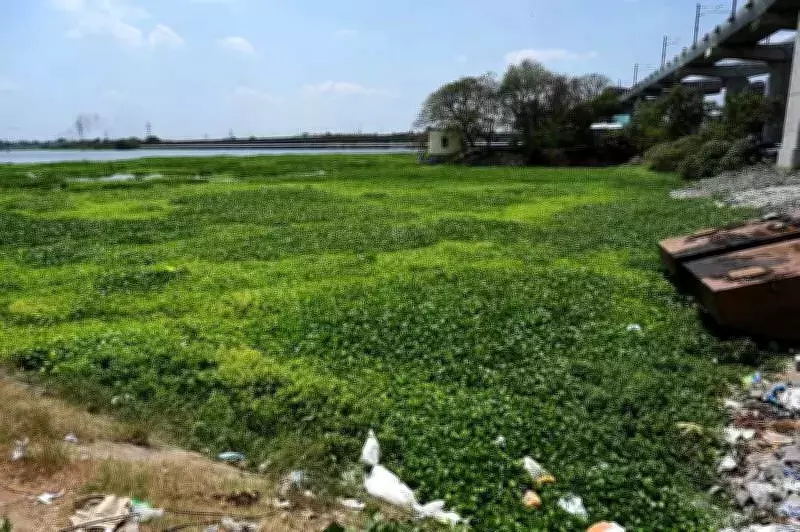
Chennai's Vital Porur Lake Suffocates Under Invasive Water Hyacinth Menace
The 250-acre Porur lake, a critical source of drinking water for Chennai, is currently grappling with a severe ecological crisis. A dense, near-impenetrable blanket of water hyacinth has engulfed the water body, choking its vitality and compromising its role in the city's water supply.
Sewage-Fueled Invasion Cripples Aquatic Ecosystem
This invasive weed thrives on nutrients from untreated sewage, creating a thick spread that blocks sunlight and drastically reduces dissolved oxygen levels in the water. The resulting environment is lethal to the microorganisms essential for natural water purification, leading experts to warn that the lake's water is rapidly becoming unfit for consumption.
D Narasimhan, a former associate professor of Botany at Madras Christian College, emphasized the urgency of the situation. He advocates for biocontrol measures as a sustainable solution, cautioning that the alternative—spraying chemical weedicides—would only add to the contamination, further degrading water quality.

Systemic Infrastructure Failures Exacerbate the Problem
The Water Resources Department (WRD) conducts periodic removals of the hyacinth, but officials report that the weed regrows with alarming speed, making these efforts largely ineffective. More concerning is the spread of water hyacinth to Red Hills and Chembarambakkam reservoirs, which are Chennai's primary drinking water sources, heightening fears of a broader water crisis.
Engineers point to a systemic failure in urban infrastructure as the root cause. In areas lacking underground drainage, residents routinely divert sewage into stormwater drains constructed by the Greater Chennai Corporation. These drains ultimately discharge into water bodies like Porur lake, creating nutrient-rich conditions that fuel the explosive growth of water hyacinth.
Civic Inaction and Hollow Assurances
A senior WRD engineer highlighted that the civic body's failure to plug these illegal sewage inflows has directly contributed to the lake's deterioration. Unless sewage discharge is halted, any cleanup efforts will remain merely cosmetic and temporary, offering no long-term solution to the escalating problem.
While Metrowater maintains that supplied water undergoes treatment and relies on natural oxidation processes within reservoirs, environmentalists argue these assurances are hollow. They stress that the continued degradation of Porur lake undermines such claims, posing a significant risk to public health and Chennai's water security.
The situation underscores an urgent need for integrated action involving sewage management, infrastructure upgrades, and ecological restoration to safeguard Chennai's precious water resources from irreversible damage.