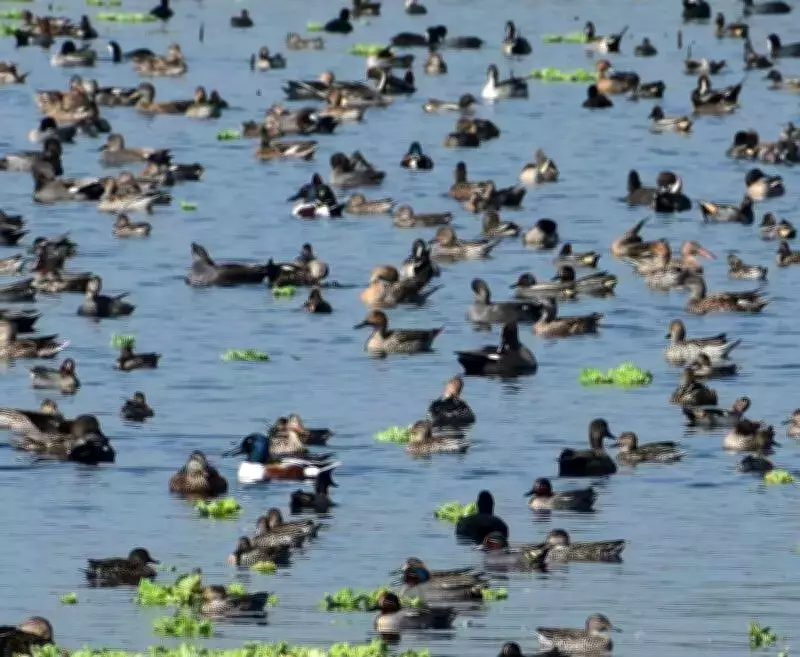
Prime Minister Modi Announces Two New Ramsar Sites in India
In a significant development for environmental conservation, Prime Minister Narendra Modi announced on Saturday that two important wetlands in India have been accorded Ramsar site status. The Patna Bird Sanctuary in Uttar Pradesh's Etah district and Chhari-Dhand in Gujarat's Kutch region have joined the prestigious list of globally recognized wetlands, bringing India's total to 98 such sites of international importance.
Recognition of Ecological Significance
The Ramsar Convention, established in 1971 in Ramsar, Iran, is an intergovernmental environmental treaty that designates wetlands of international importance. These designations recognize areas that play crucial roles in maintaining global biodiversity and supporting vital ecosystems. The inclusion of these two Indian wetlands underscores the country's commitment to environmental preservation and sustainable development.
In a social media post, Prime Minister Modi expressed his delight at the recognition, stating: "Delighted that Patna Bird Sanctuary in Etah (UP) and Chhari-Dhand in Kutch (Gujarat) are Ramsar sites. Congratulations to the local population there as well as all those passionate about wetland conservation. These recognitions reaffirm our commitment to preserving biodiversity and protecting vital ecosystems. May these wetlands continue to thrive as safe habitats for countless migratory and native species."

Patna Bird Sanctuary: A Biodiversity Hotspot
Spread across approximately 108.8 hectares in Jalesar tehsil of Etah district, the Patna Bird Sanctuary represents one of Uttar Pradesh's richest small wetlands. This sanctuary serves as a critical winter habitat for thousands of migratory birds arriving from various parts of India and abroad, making it an essential conservation area in northern India.
The ecological significance of this wetland is further highlighted by its remarkable biodiversity:
- Avian Diversity: Surveys have documented 178 bird species at the site, including 18 regularly observed species among the 42 found across the Indian subcontinent
- Rare Species: Over 44 rare bird species have been recorded, along with four species listed by the International Union for Conservation of Nature (IUCN)
- Seasonal Refuge: Annually, more than 50,000 birds utilize this wetland as a seasonal refuge
- Sarus Crane Habitat: During winter months, when surrounding agricultural fields become inundated, the wetland transforms into a 'Sarus kem' hosting large congregations of sarus cranes
Rich Flora and Fauna Beyond Birds
The Patna Bird Sanctuary supports diverse plant and animal life beyond its avian population. Comprehensive surveys have identified:
- 252 plant species belonging to 71 plant families, including 24 aquatic species
- Mammals including nilgai, jackals, mongoose, wild cats, and porcupines
- Reptiles such as monitor lizards inhabiting the area
Adding to its cultural significance, the sanctuary contains an ancient Lord Shiva temple within its boundaries, creating a unique intersection of natural and cultural heritage.
Political and Environmental Implications
Uttar Pradesh Chief Minister Yogi Adityanath commented on the development, noting that the inclusion of the Etah sanctuary and Chhari-Dhand as Ramsar sites reflects "a journey of policy, protection and preservation, where ecology and development advance together."
Environmental experts believe the Ramsar designation will open new opportunities for:
- Eco-tourism development
- Environmental education programs
- Scientific research initiatives
- Local employment generation
The recognition of these wetlands comes at a crucial time when global attention is increasingly focused on biodiversity conservation and climate change mitigation. These designations not only protect vital ecosystems but also position India as a responsible global citizen in environmental stewardship.

As India continues to balance development with environmental conservation, the Ramsar status for these wetlands represents a significant step toward preserving the country's natural heritage for future generations while supporting sustainable economic opportunities for local communities.