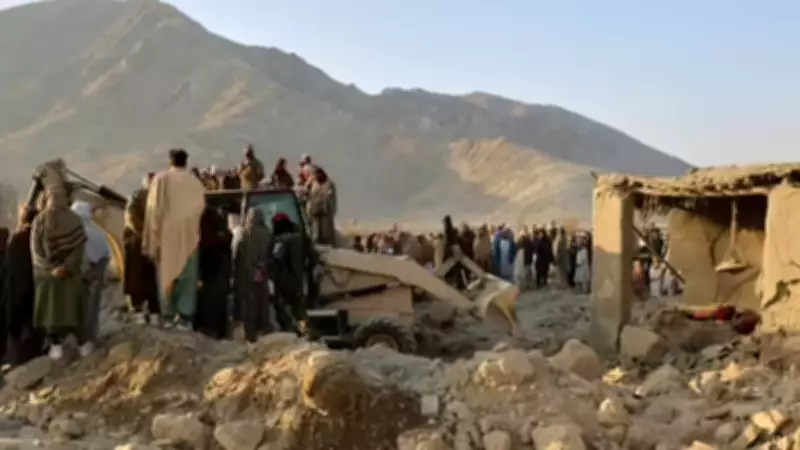
Pakistan Conducts Military Strikes in Southern Afghanistan, Targeting 'Terrorist Hideouts'
On Sunday, Pakistan announced that its forces executed strikes on military facilities and alleged "terrorist hideouts" in southern Afghanistan, marking a significant escalation in tensions between Islamabad and the Taliban-led administration. This development follows a series of cross-border incidents that have heightened regional instability.
Details of the Strikes and Targeted Locations
Security sources, as cited by AFP, reported that Pakistani troops targeted and "effectively destroyed technical support infrastructure and an equipment storage facility in Kandahar." Kandahar is a key southern Afghan city that serves as the base for the administration of Taliban supreme leader Hibatullah Akhundzada. Additionally, another strike reportedly hit a tunnel in Kandahar, which authorities claim was utilized by both the Afghan Taliban and the Pakistani Taliban militant group, Tehreek-e-Taliban Pakistan (TTP). Islamabad holds the TTP responsible for a recent surge in attacks within Pakistan.
Residents in Kandahar described witnessing military aircraft flying over the city late at night, accompanied by explosions. One resident stated, "Military planes flew over the mountain where there is a military facility, and an explosion followed," noting that flames were visible afterward. Locals also reported hearing an air strike in the border town of Spin Boldak, located southeast of Kandahar. In Afghanistan's eastern border province of Khost, clashes were reported on Saturday night, further indicating the breadth of the conflict.

Taliban Response and Civilian Impact
Taliban government spokesman Zabihullah Mujahid addressed the strikes, asserting that they caused limited damage to civilian facilities. He clarified, "The places they are talking about are far away from these two places," referring to the targeted locations, while acknowledging that a drug rehabilitation centre and an empty container in Kandahar had been affected. This statement underscores the ongoing dispute over the nature and accuracy of the strikes.
Background and Escalating Tensions
The strikes occurred just one day after Pakistan claimed to have thwarted "drone attacks" launched from Afghanistan, which were intercepted on Friday night. Officials indicated that at least three locations in Pakistan were targeted, including the military headquarters in Rawalpindi, near the capital Islamabad. In response, Pakistan President Asif Ali Zardari's office declared that the Afghan Taliban had "crossed a red line" by targeting civilians and issued a warning of retaliation.
This incident is part of a broader pattern of escalation. Last month, Islamabad initiated a military operation against Afghanistan, citing the need to target Islamist militants following attacks in Pakistan that it attributes to groups operating from Afghan territory. The Taliban government in Kabul has consistently denied involvement and rejects accusations that Afghan territory is being used for cross-border militancy. Pakistan maintains that its operations are not aimed at civilians, but the situation remains contentious.
Humanitarian and Regional Consequences
Cross-border tensions have intensified in recent weeks, leading to repeated clashes that have disrupted trade and forced residents near the frontier to abandon their homes. According to the United Nations assistance mission in Afghanistan, at least 75 civilians have been killed and 193 injured in Afghanistan due to these clashes since February 26. This highlights the severe humanitarian impact of the ongoing conflict, with civilian casualties mounting as both sides engage in military actions.
The escalating situation underscores the fragile security dynamics in the region, with Pakistan and the Taliban administration at odds over border security and militant activities. As tensions continue to rise, the potential for further military engagements and humanitarian crises remains a significant concern for international observers and local populations alike.