In a decisive move to tackle worsening air quality, the Odisha government has imposed a series of temporary restrictions on polluting activities, with a particular focus on the state's twin urban hubs. The measures, announced on Tuesday, specifically target the significant contributors to particulate matter: construction dust and vehicular emissions.
Nighttime Construction Halt and Demolition Ban
Forest and Environment Minister Ganesh Ram Singkhuntia issued clear directives to curb construction and demolition work. Based on expert advice from environmental engineers and scientists, all civil construction activities are now prohibited between 6:00 PM and 10:00 AM in specified areas, including Bhubaneswar and Cuttack.
Officials explained that this time-based restriction aims to reduce dust generation during hours when monitoring is challenging and atmospheric conditions often cause pollution to linger. In a more sweeping order, the government has put a complete stop to the demolition of old structures by both private and public entities within municipal limits until further notice.

A senior forest department officer stated that this measure is designed to prevent the large-scale release of dust from debris handling and transport, which is a major source of particulate pollution in urban settings. District Collectors have been instructed to ensure strict adherence to these new norms.
Multi-Pronged Attack on Pollution Sources
The government's action plan extends beyond construction sites. To address vehicular pollution, authorities have restricted the entry and movement of trucks and other heavy vehicles inside city limits. Police and Regional Transport Office (RTO) officials have been directed to intensify checks on vehicle fitness and enforce emission standards rigorously. Enforcement teams will verify documents and conduct on-spot inspections to identify and penalize vehicles emitting excessive smoke.
Furthermore, a comprehensive dust suppression drive has been ordered for national highways and major city roads. This includes mandatory water sprinkling three times a day to reduce the resuspension of road dust caused by constant traffic movement. The Bhubaneswar Municipal Corporation (BMC) has separately written to agencies like the Capital Region Urban Transport (CRUT) and IDCO to ensure regular water sprinkling for dust control.
Cracking Down on Local Emissions
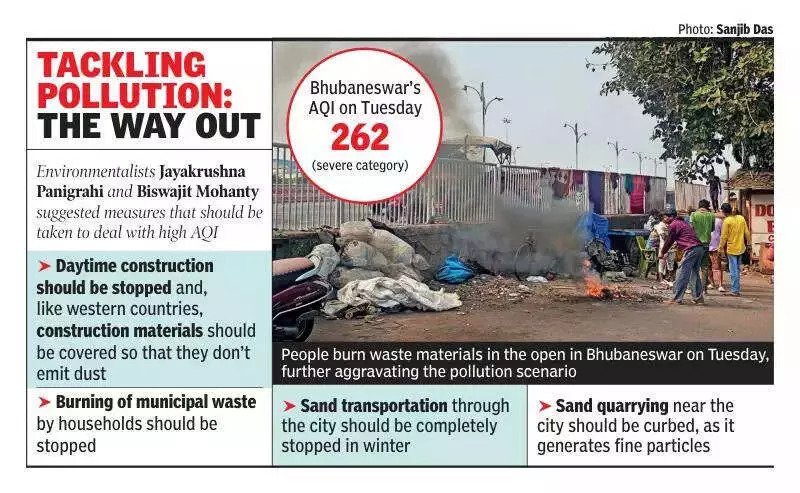
The crackdown also targets localized sources of smoke and soot. Roadside eateries and hotels have been barred from using coal or firewood as fuel. Additionally, the government has imposed a strict ban on the open burning of garbage, dry leaves, and plastic in public spaces and vacant plots.
Minister Singkhuntia cautioned that any violations of these orders will invite strict legal action and heavy penalties. He has directed all concerned agencies to ensure compliance through regular inspections and coordinated enforcement efforts. This multi-sectoral approach underscores the state's commitment to bringing down pollution levels and safeguarding public health in its major cities.