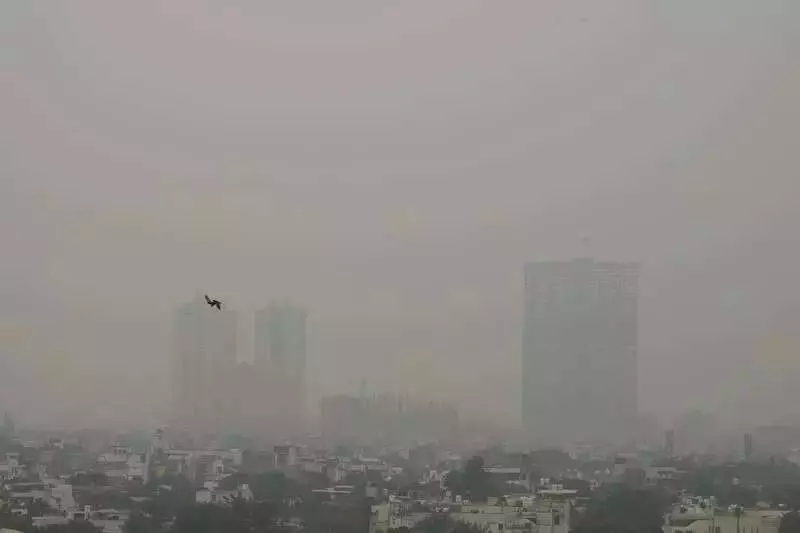
Noida's Air Quality Slips Back to 'Poor' Category After 11-Day Break
In a concerning development for residents, Noida's air quality has deteriorated to the 'poor' category, marking an end to an 11-day period of relatively cleaner air. The city, which had been experiencing some relief from hazardous pollution levels, saw its Air Quality Index (AQI) climb back into the unhealthy range, raising alarms among environmental experts and local authorities.
Rainfall Fails to Deliver Expected Cleansing Effect
Despite a rainy day that many hoped would wash away pollutants and improve air quality, the impact has been disappointingly marginal. Meteorological conditions and persistent emission sources appear to have undermined the cleansing potential of the precipitation. This outcome highlights the complex nature of air pollution in urban areas, where short-term weather events may not suffice to counteract ongoing pollution drivers.
Factors Contributing to the Deterioration
Several factors are likely behind this setback in air quality:

- Local Emissions: Vehicular exhaust, industrial activities, and construction dust continue to be significant contributors.
- Meteorological Conditions: Wind patterns and temperature inversions may have trapped pollutants near the ground.
- Regional Influence: Pollution from neighboring areas could be affecting Noida's air quality.
- Inadequate Rain Intensity: The rainfall might have been insufficient to effectively scrub the atmosphere of particulate matter.
Health Implications and Public Advisory
With the AQI in the 'poor' range, sensitive groups such as children, the elderly, and individuals with respiratory conditions are advised to limit prolonged outdoor exposure. The general population may also experience minor breathing discomfort. Health experts recommend using air purifiers indoors and wearing masks when venturing outside until conditions improve.
Looking Ahead: Monitoring and Mitigation Efforts
Environmental agencies are closely monitoring the situation and may implement additional measures if the air quality worsens further. Residents are encouraged to stay informed through official channels and contribute to pollution reduction by using public transport, avoiding waste burning, and supporting green initiatives. The episode underscores the need for sustained, long-term strategies to combat air pollution in the National Capital Region.