

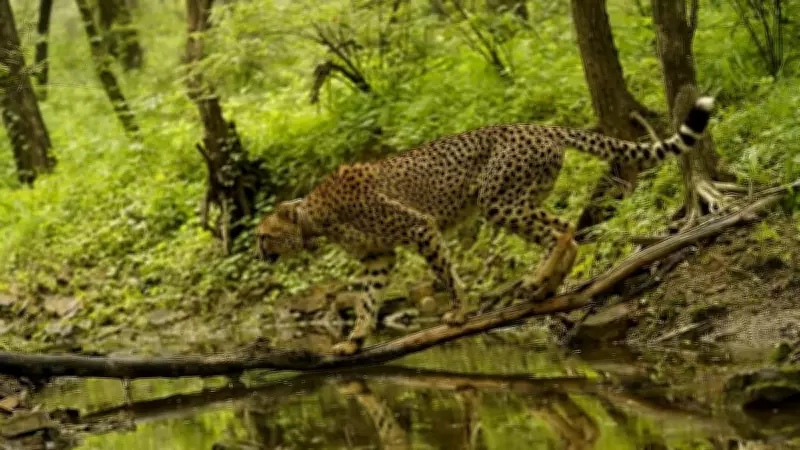
Nine Botswana Cheetahs Successfully Transported to Kuno National Park in India
In a significant conservation milestone, nine cheetahs from Botswana have arrived at Kuno National Park in Madhya Pradesh, India. The group, consisting of six females and three males, was transported from Africa using the Indian Air Force's C-17 Globemaster aircraft and subsequently transferred to Kuno via IAF helicopters. This operation marks a crucial step in India's efforts to reintroduce the cheetah species, which was declared extinct in the country decades ago.
Logistical Excellence and Government Oversight
The transportation process was meticulously planned and executed, showcasing the logistical capabilities of the Indian Air Force. The C-17 Globemaster, known for its long-range and heavy-lift capacity, facilitated the initial leg of the journey from Botswana to India. Upon arrival, the cheetahs were carefully moved to IAF helicopters for the final transit to Kuno National Park, ensuring minimal stress and safe handling throughout the operation.
Union Environment Minister Bhupender Yadav personally oversaw the release of the cheetahs into a specially designed quarantine facility at Kuno. His involvement underscores the government's commitment to wildlife conservation and the successful implementation of this ambitious project. The quarantine period is essential for monitoring the health and adaptation of the cheetahs to their new environment before they are introduced into the wider park area.

Conservation Implications and Future Prospects
The arrival of these cheetahs is part of a broader initiative to restore ecological balance and promote biodiversity in India. Kuno National Park was selected for this reintroduction due to its suitable habitat and prey base, which are critical for the survival and thriving of the cheetah population. Experts believe that this move could have positive ripple effects on the local ecosystem, including enhanced prey-predator dynamics and increased tourism opportunities.
Key aspects of this conservation effort include:
- Genetic Diversity: The inclusion of both male and female cheetahs aims to establish a genetically diverse population that can sustain itself over the long term.
- International Collaboration: The partnership with Botswana highlights global cooperation in wildlife conservation, leveraging expertise and resources from multiple nations.
- Technological Support: The use of advanced military transport aircraft demonstrates how technology can be harnessed for environmental and conservation purposes.
As the cheetahs settle into their quarantine, authorities will closely observe their behavior and health, with plans for gradual release into the park's open spaces. This project not only revives a lost species in India but also sets a precedent for future wildlife reintroduction programs worldwide. The successful transport and initial handling have been praised by conservationists, who view this as a hopeful step toward restoring India's natural heritage.






