

The Viral 'Nihilist Penguin' Phenomenon: Decoding the Antarctic Death March
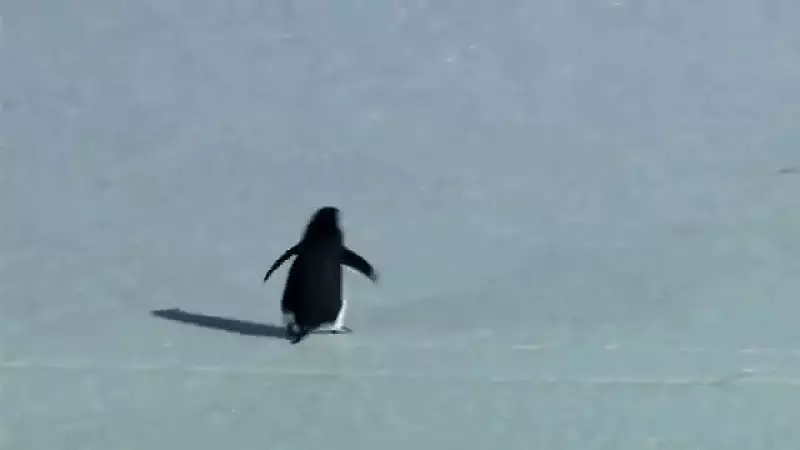
A solitary penguin's determined trek away from its ocean habitat has captured global attention, spawning a viral trend dubbed the 'nihilist penguin death march.' This enigmatic behavior, where the bird marches toward mountains approximately 70 kilometers from the sea, has left scientists and social media users alike pondering its motives and implications.
What Is the 'Nihilist Penguin' Death March?
In a widely circulated clip, the lone penguin is observed embarking on a seemingly purposeless journey inland, away from the coastal colonies where these birds typically reside to forage for food and ensure survival. This stark deviation from normal penguin behavior, which involves staying near the ocean for sustenance and breeding, has led to the 'nihilist' label—suggesting a sense of existential despair or futility in the bird's actions.
Why Has This Trend Gone Viral?
The trend has gained momentum due to its surreal and relatable nature. Social media platforms have amplified the clip, with users drawing parallels between the penguin's march and human experiences of isolation or perseverance in the face of adversity. High-profile shares, including from accounts like The White House, have further fueled its spread, making it a topic of global discussion.

- Visual Impact: The stark imagery of a lone penguin against a vast, icy landscape evokes strong emotional responses.
- Metaphorical Resonance: Many interpret the march as a symbol of resilience or nihilism, sparking memes and philosophical debates.
- Scientific Curiosity: The unusual behavior raises questions about penguin ecology and potential environmental stressors.
What Is the Bird Actually Doing?
While the 'death march' moniker suggests a fatalistic journey, experts speculate that the penguin might be disoriented, ill, or responding to changing environmental conditions in Antarctica. Penguins are known to travel inland for nesting, but distances of 70 kilometers are atypical and could indicate distress or navigational errors.
Potential explanations for this behavior:
- Climate Change Effects: Shifts in ice patterns or food availability might be driving penguins to explore new territories.
- Health Issues: The bird could be suffering from disease or injury, leading it astray from its colony.
- Natural Variability: Rare instances of penguins wandering inland have been documented, though not commonly to this extent.
This viral trend underscores the intersection of wildlife observation and digital culture, highlighting how nature's mysteries can captivate a global audience. As discussions continue, the 'nihilist penguin' serves as a poignant reminder of the complexities of animal behavior in a rapidly changing world.






