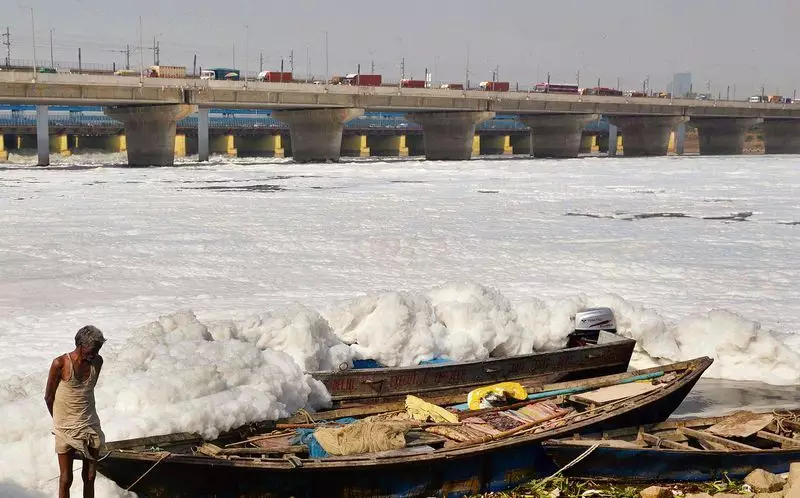
The National Green Tribunal (NGT) has raised serious concerns over persistent gaps in waste management and pollution control in the national capital, directing multiple Delhi authorities to submit fresh and detailed reports. The tribunal's intervention highlights the ongoing struggle to clean the heavily polluted Yamuna river.
NGT's Scrutiny and Directives on Yamuna Clean-Up
A bench led by NGT Chairperson Justice Prakash Shrivastava took note of a news report highlighting the discharge of untreated waste into the Yamuna. The tribunal observed that the existing reports from concerned departments were insufficient and lacked crucial details on compliance. Consequently, the NGT has issued directives for fresh action-taken reports to be submitted by July 31, 2024.
The bench, which also included expert member Dr. A. Senthil Vel, specifically impleaded the Delhi Pollution Control Committee (DPCC) and the Delhi Jal Board (DJB) as respondents in the case. This move underscores the tribunal's focus on holding the key water and pollution control bodies directly accountable for the state of the river.

Identifying Systemic Failures in Sewage and Waste Management
The NGT's proceedings brought to light several systemic failures. A critical issue identified was the malfunctioning of sewage treatment plants (STPs) and common effluent treatment plants (CETPs). The tribunal noted that these facilities are not operating at their intended capacity, leading to the direct flow of untreated sewage and industrial effluent into the river system.
Furthermore, the green panel pointed to significant shortcomings in solid waste management across Delhi. The improper handling and disposal of municipal solid waste contribute substantially to the pollution load entering the Yamuna. The NGT emphasized that without addressing these root causes—dysfunctional treatment plants and poor solid waste management—the efforts to rejuvenate the river will remain ineffective.
The Road Ahead: Deadlines and Accountability
By ordering new reports, the NGT seeks a clearer and more actionable picture of what steps have genuinely been taken and what obstacles remain. The July 31 deadline puts pressure on the involved agencies, including the DPCC and DJB, to conduct thorough reviews and present concrete data and plans.
This is not the first time the NGT has intervened in matters concerning the Yamuna. The tribunal has been consistently monitoring the implementation of various clean-up plans and projects, often expressing dissatisfaction with the pace and quality of work. The current directive reinforces the need for continuous oversight and strict accountability from civic and environmental authorities in Delhi.
The health of the Yamuna is a critical environmental and public health issue for the National Capital Region. The NGT's latest order serves as a stark reminder that sustainable solutions require functional infrastructure, efficient waste processing, and unwavering administrative will to enforce pollution control norms.