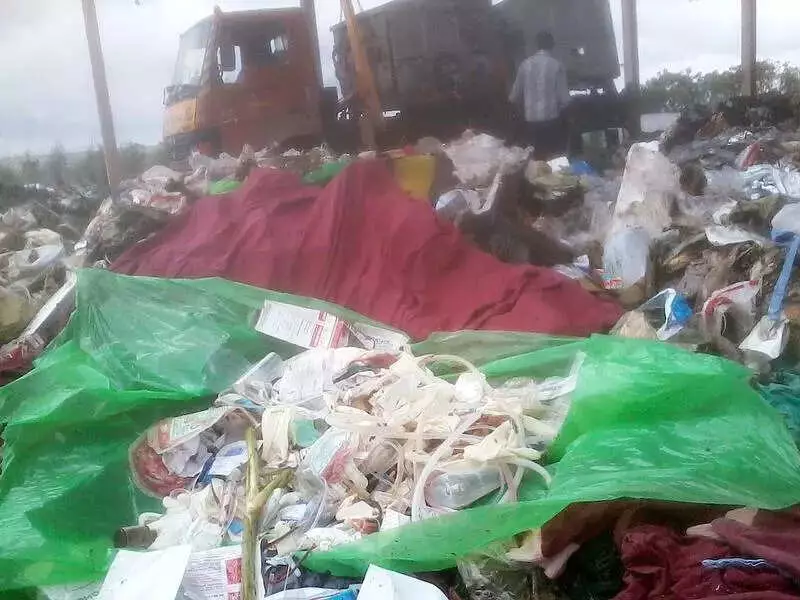
The National Green Tribunal (NGT) has come down heavily on senior Punjab authorities after documented evidence revealed widespread and systemic failures in handling both municipal solid waste and hazardous biomedical waste in Sangrur district. The tribunal's Principal Bench, led by Chairperson Justice Prakash Shrivastava, has issued formal notices demanding explanations and immediate action.
NGT's Directives and Official Response
The bench has directed the Punjab Pollution Control Board (PPCB) to conduct immediate inspections of all sites mentioned in the case, registered as Original Application No. 613/2025. The PPCB must submit a detailed action-taken report before the next hearing scheduled for February 26, 2026. The tribunal has specifically summoned affidavits from the state's chief secretary, the local government secretary, Sangrur's deputy commissioner, the executive officer of the municipal council, and the senior medical officer of Civil Hospital Sangrur.
All parties have been instructed to file their replies at least one week prior to the hearing. The NGT also ordered the applicants to formally serve notices to all respondents and confirm the same. Anyone submitting an independent reply must be present virtually during the proceedings.

Shocking Ground Reality Exposed
The case was brought forward by Advocate Kamal Anand, supported by co-applicants Jatinder Kalra and Parveen Bansal. Their petition, filed before the NGT's Principal Bench in New Delhi, was backed by geo-tagged photographs and videos captured between November 6 and 16 of this year.
The evidence paints a grim picture of negligence:
- Unsegregated waste was found dumped openly along major roads and near sensitive locations like schools, colleges, and hospitals, directly contradicting official claims of achieving 65% waste segregation.
- Seventy-three compost pits, constructed under the Swachh Bharat Mission, were found completely defunct, with many damaged or overgrown with vegetation.
- Residents documented instances of open waste burning, including fires on November 12 that required fire brigade intervention and another on November 28 at the compost yard near Nabha Gate.
Biomedical Hazard and Worker Exploitation
Perhaps the most alarming revelation concerns the handling of biomedical waste. The petition includes visuals from Civil Hospital Sangrur allegedly showing used syringes, blood-soaked dressings, gloves, and other infectious waste mixed with regular municipal garbage, creating a severe public health risk.
Furthermore, the sole landfill site was found lacking a boundary wall, a weighbridge, a leachate treatment system, and basic plantations. This has led to toxic runoff and overflows. Advocate Anand highlighted the plight of sanitary workers, stating they are forced to work without access to drinking water or bathing facilities, which he termed a "complete denial of dignity."
The applicants have accused the administration of preparing a "cosmetic" District Environment Plan in air-conditioned offices while every road and colony remains littered. They have also alleged misuse of Swachh Bharat Mission (Urban) funds and have sought a special audit from the Union Ministry of Housing and Urban Affairs.
Legal and Environmental Implications
The petition alleges a systematic failure by the Municipal Council, Civil Hospital Sangrur, and the district administration to comply with several crucial environmental laws:
- The Solid Waste Management Rules, 2016
- The Bio-Medical Waste Management Rules, 2016
- The Water (Prevention and Control of Pollution) Act, 1974
Summing up the gravity of the situation, Advocate Anand told the Times of India, "The administration is gifting pollution of every kind to Sangrur residents." The NGT's intervention underscores the critical gap between policy and on-ground implementation in waste management, putting the state machinery on a strict compliance clock ahead of the 2026 hearing.